Saroj Surkheti
Introduction
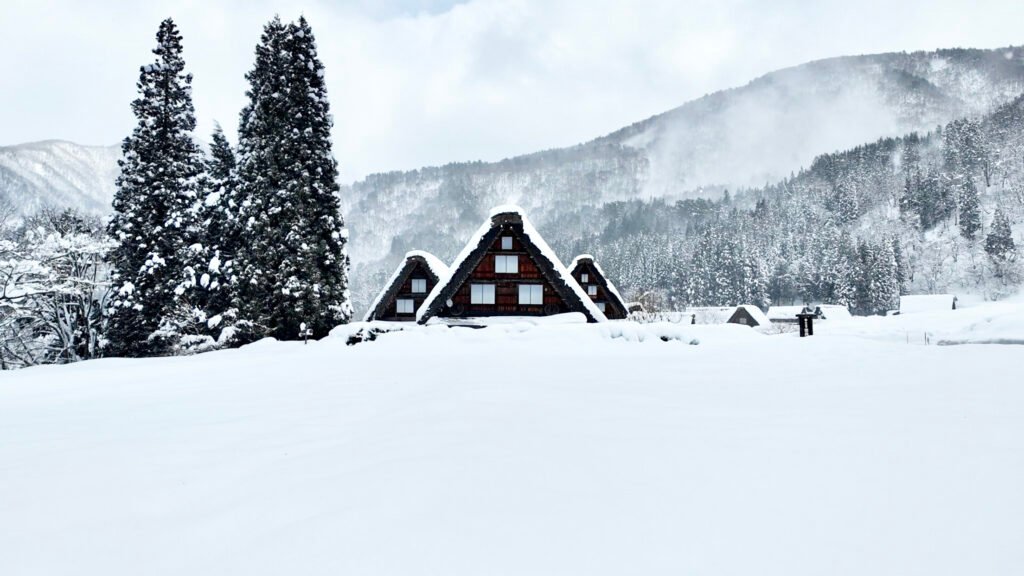
The first time I arrived in Shirakawa-go, it felt like stepping into the pages of a storybook. The bus wound its way through mountain roads, snowflakes swirling past the windows, until suddenly the valley opened up. Below, a cluster of steep, thatched-roof houses huddled together, their triangular shapes dusted with snow like sugar on sponge cake. Smoke drifted lazily from chimneys, and the whole village looked frozen in time.
I remember tightening my scarf and stepping off the bus into the crisp mountain air. The silence was striking — no neon signs, no city noise, just the crunch of snow beneath my boots and the soft murmur of other travelers. It was a far cry from Tokyo’s endless energy or Osaka’s neon chaos.
That night, I stayed in a simple guesthouse, the kind where tatami mats cover the floor and futons are rolled out by hand. Dinner was homemade miso soup and rice with pickles — humble, filling, and warming after the cold. I sat around a low table with other travelers, swapping stories while the hearth fire crackled. The experience wasn’t luxurious, but it felt authentic in a way most places don’t anymore.
The best part? It didn’t cost a fortune. Shirakawa-go is a UNESCO World Heritage site, and yes, it can feel touristy at times. But with a little planning, you can visit this mountain village on a budget and still soak in its magic — without burning through your yen.
This guide will show you how: from getting there cheaply, to affordable stays, meals, and the best free or low-cost things to do. And along the way, I’ll share a few of my own stories to help you picture life in this timeless corner of Japan.
Why To Visit Shirakawa-go
Shirakawa-go isn’t just another pretty stop on the tourist trail — it’s a living museum of Japan’s rural past. The village, together with neighboring Gokayama, is a UNESCO World Heritage site, famous for its gassho-zukuri houses. These steep, thatched-roof farmhouses were built to withstand heavy snowfall, their triangular design resembling “hands in prayer” (that’s what gassho means). Some of these houses are over 250 years old and still lived in today.
But beyond the architecture, Shirakawa-go offers something harder to find in modern Japan: a sense of stillness. Walking through Ogimachi, the main village, you’ll hear the creak of wooden doors, the flow of the Shogawa River, and maybe a rooster crowing from behind a farmhouse. It’s the opposite of the fast-paced image most people have of Japan.
The beauty of Shirakawa-go also changes with the seasons:
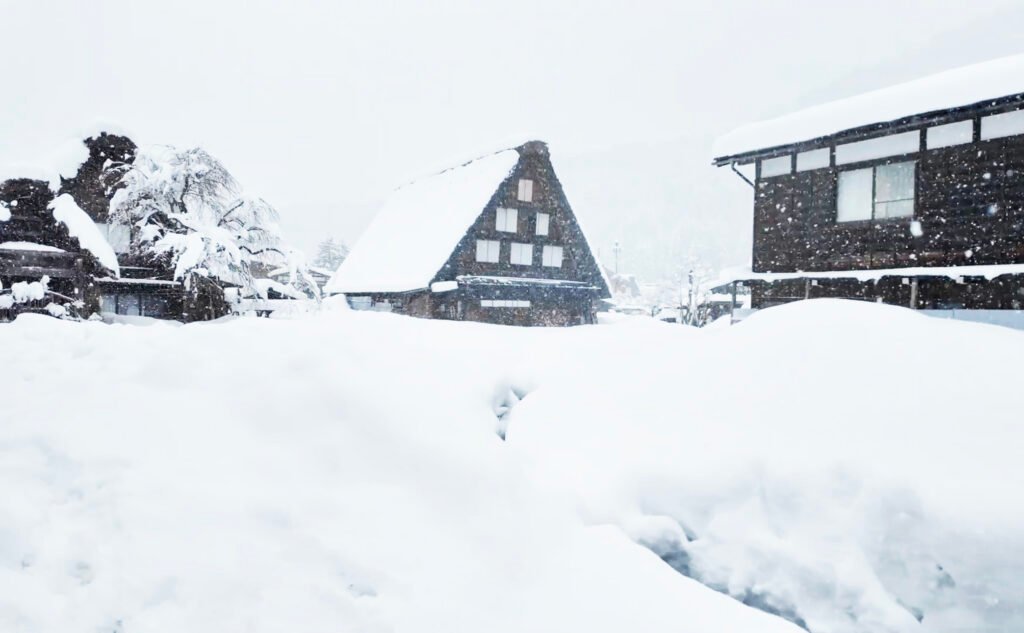
- Winter: The village transforms into a snow globe, with roofs blanketed in white and smoke rising from chimneys. The famous light-up events in January and February attract crowds, but even outside those dates, winter is magical.
- Spring: Cherry blossoms frame the farmhouses, and the village feels softer, with fewer tourists than winter.
- Summer: Green rice fields ripple in the wind, cicadas buzz, and mountain hikes are at their best.
- Autumn: Red and gold foliage covers the mountainsides, making this season a budget traveler’s dream — gorgeous and less crowded than winter.
Whether you’re into photography, history, culture, or just want to breathe mountain air, Shirakawa-go delivers. And the best part? You don’t need luxury tours or pricey hotels to experience it. Most of its charm — the views, the atmosphere, the slow pace — costs nothing at all.
How to Get There on a Budget
One of the biggest questions travelers ask is: “How do I reach Shirakawa-go without burning the Japanese Yen?” The village is tucked away in the mountains of Gifu Prefecture, which makes it both enchanting and a little tricky to access. But with some planning, you can keep transport costs manageable.
By Bus ( Cheapest way )
The most budget-friendly way to reach Shirakawa-go is by highway bus.
- From Takayama: Nohi Bus runs about an hour each way, costing around ¥5,600 round trip. This is one of the most popular routes since Takayama itself is a great budget-friendly base.
- From Kanazawa: Another popular option, about 75 minutes by bus. Fares are a bit higher to the Takayama route.
- From Nagoya/Osaka/Tokyo: There are direct buses, though they’re longer (4–6 hours) and not always cheaper than combining train + bus.
💡 Money-saving tip: Book buses in advance online. Some companies (like Willer Express) offer discounts for early reservations, and occasional passes make multi-leg journeys cheaper.
🚆 By Train + Bus (Convenient with a JR Pass)
Shirakawa-go has no train station, but if you hold a Japan Rail Pass, you can reduce costs by combining trains with a short bus ride.
- From Tokyo: Take the Hokuriku Shinkansen to Kanazawa, then hop on a bus to Shirakawa-go (total ~4.5 hours).
- From Nagoya: Ride the Wide View Hida limited express to Takayama, then bus to Shirakawa-go (~3.5 hours).
💡 Hack: If you’re planning multiple long-distance train rides in Japan, a regional rail pass often saves more than the nationwide JR Pass. The Takayama-Hokuriku Area Tourist Pass (about adult ¥19,800 & child for ¥ 9,900 5 days) covers unlimited train rides between Osaka, Kyoto, Nagoya, Kanazawa, Takayama, AND the buses to Shirakawa-go. If you’re touring this region, it’s unbeatable.
🚗 By Car (Best if Splitting Costs)
Renting a car isn’t the cheapest solo option, but if you’re traveling as a group, it can be surprisingly affordable.
- Daily car rentals start around ¥9,000–¥15,000, plus gas and tolls. ( Price may vary according to season )
- Split between 3–4 people, it will be cheaper — with added freedom to explore hidden villages along the way.
✅ Bottom line:
- Solo budget traveler → Highway bus from Takayama or Kanazawa is cheapest.
- JR Pass holder → Combine train + bus.
- Small group → Car rental can be cost-effective and flexible.
Where to Stay (Affordable Options)
Shirakawa-go is small, so accommodation is limited — and it can get pricey during peak seasons. But if you know where to look, you can still find budget-friendly stays. The main decision is whether you want to stay inside the village itself or base yourself in a nearby city like Takayama or Kanazawa.
🏡 Staying in Shirakawa-go (Minshuku Guesthouses)
The most authentic option is to spend a night in one of the gassho-zukuri farmhouses, many of which are run as family-style guesthouses (minshuku).
- Price range: ¥5,000–¥15,000 per person, usually including dinner and breakfast.
- What you get: Tatami mat rooms, futon bedding, homemade meals, and the chance to experience life inside a centuries-old farmhouse.
- Downsides: Higher cost than staying outside the village, and reservations book out months in advance (especially for the winter light-up season).
💡 Budget Tip: Book directly on the official Shirakawa-go guesthouse website — prices are often lower than on booking platforms.
🏘️ Staying in Takayama
Takayama is just an hour away by bus and makes an excellent budget base.
- Hostel dorms: ¥2,500–¥3,500 per night.
- Budget hotels: ¥4,000–¥6,000 for private rooms.
- Perks: More dining options, nightlife, and a charming old town to explore.
If you plan to see both Takayama and Shirakawa-go, this is the most cost-effective option.
🏯 Staying in Kanazawa
Another good hub, especially if you’re arriving from Tokyo or Osaka via the Hokuriku Shinkansen.
- Hostels: ¥2,500–¥4,000 per night.
- Budget hotels: Around ¥5,000–¥7,000.
- Perks: Kanazawa has more to offer than most people realize — Kenrokuen Garden, samurai districts, and a fantastic food scene.
🛶 Camping (Summer Only)
If you’re adventurous, there are campgrounds near Shirakawa-go.
- Cost: Just a few hundred yen per night.
- Downside: You’ll need your own gear, and facilities are basic.
- Upside: Cheapest possible way to stay overnight in the area, with stunning nature at your doorstep.
✅ Budget Recommendation:
- Overnight in Shirakawa-go if you want the unique farmhouse experience (worth the splurge once).
- Base in Takayama for cheaper stays + more variety in food/attractions.
- Kanazawa if you’re combining your trip with the Hokuriku region.
What to Eat Without Overspending
Food in Shirakawa-go tends to be more expensive than in larger towns — partly because of its remote location and tourist demand. But if you’re strategic, you can enjoy local specialties without blowing your budget.
🍜 Local Specialties Worth Trying
- Soba noodles – Handmade buckwheat soba is a regional staple. Expect to pay around ¥700–¥1,000 for a simple bowl, ¥1,200–¥1,500 if you add tempura.
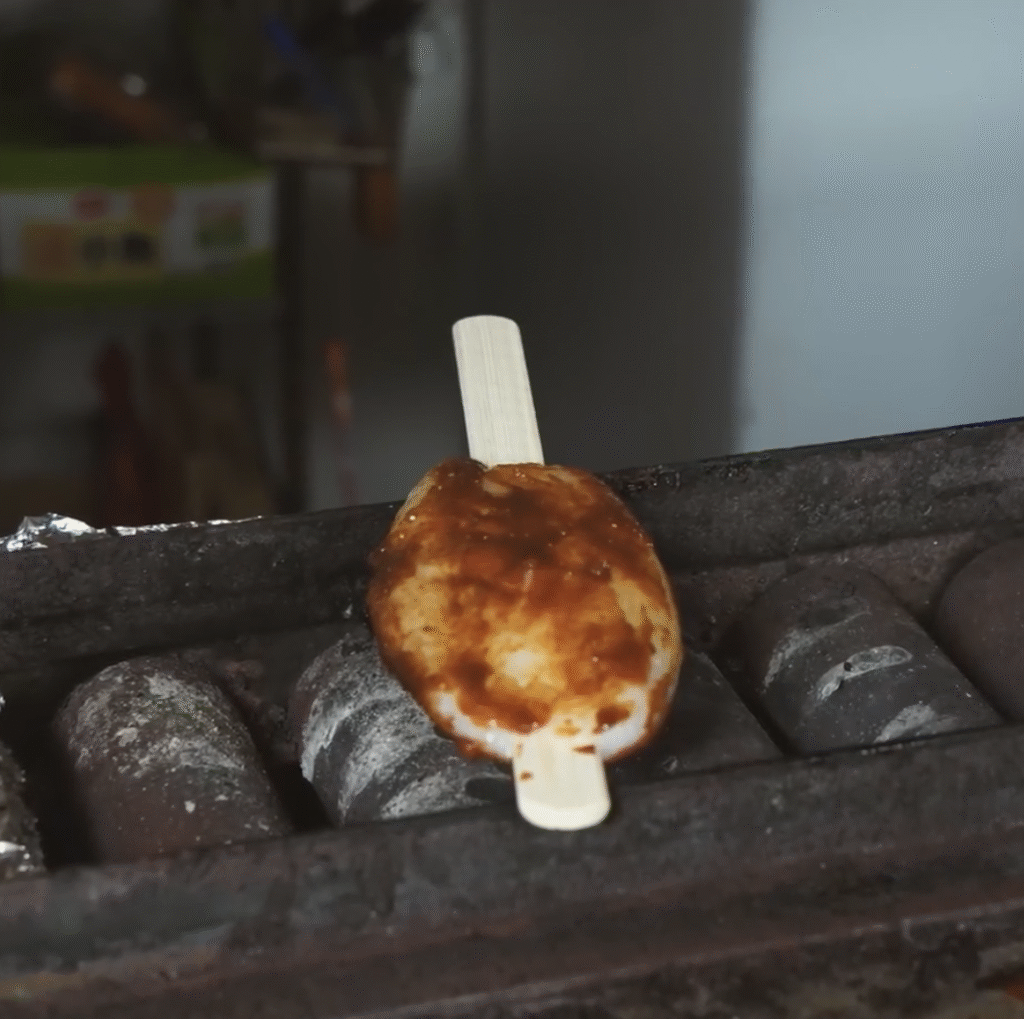
- Gohei mochi – Skewered rice cakes grilled and brushed with miso or sesame sauce. A filling snack for just ¥300–¥500.
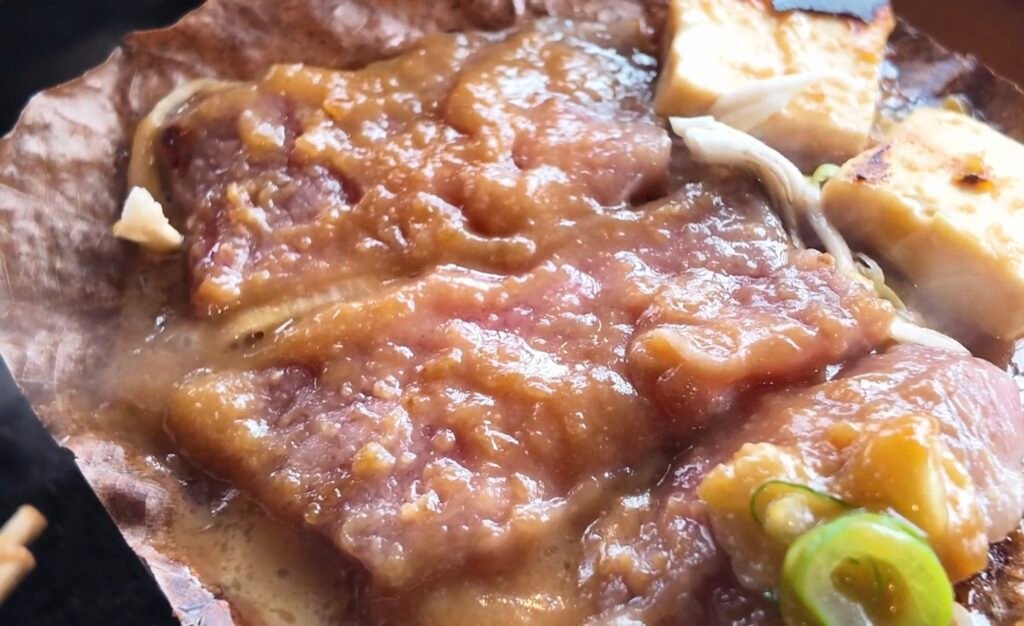
- Hida beef skewers – Hida beef is famous (and expensive), but you can try it affordably in skewer form for around ¥500–¥700. It’s a nice “taste test” without committing to a pricey steak.
- Mountain vegetables & pickles – Often included in farmhouse meals, these are both healthy and budget-friendly.
🏪 Convenience Stores & Bento Boxes
If you’re staying in Takayama or Kanazawa and day-tripping to Shirakawa-go, the smartest budget move is to pick up a bento or onigiri at a convenience store before you go.
- Onigiri: ¥120–¥180 each
- Bento box: ¥400–¥600
- Instant noodles: ¥150–¥250
This way, you won’t be stuck paying tourist prices inside the village.
☕ Cafés & Small Eateries in the Village
There are a handful of small restaurants and cafés in Ogimachi. They’re cozy, with wooden interiors that match the village vibe.
- Coffee or tea: ¥400–¥600
- Simple set meals: ¥1,000–¥1,500
- Downside: Limited menu and tourist markups.
💡 Tip: If you want to try one meal inside the village for the atmosphere, go for soba or gohei mochi. Otherwise, stock up outside.
🍶 Staying in a Minshuku (Farmhouse)
If you stay overnight in Shirakawa-go, your guesthouse usually includes dinner and breakfast in the price. These meals are simple but hearty — rice, miso soup, pickles, maybe grilled fish or mountain vegetables. It’s not fine dining, but it’s warming and authentic. And since food options in the village are limited, it saves you the hassle of finding dinner.
✅ Budget Food Strategy:
- Eat one snack/meal in the village (soba or mochi).
- Bring a conbini bento or snacks from Takayama/Kanazawa.
- If staying overnight, rely on your guesthouse meals.
Things to Do in Shirakawa-go (Budget-Friendly)
The beauty of Shirakawa-go is that most of its charm doesn’t cost a single yen. Wandering the village, breathing in the mountain air, and soaking up the atmosphere is completely free. Still, there are a few low-cost experiences worth adding to your trip.
1. Explore Ogimachi Village (Free)
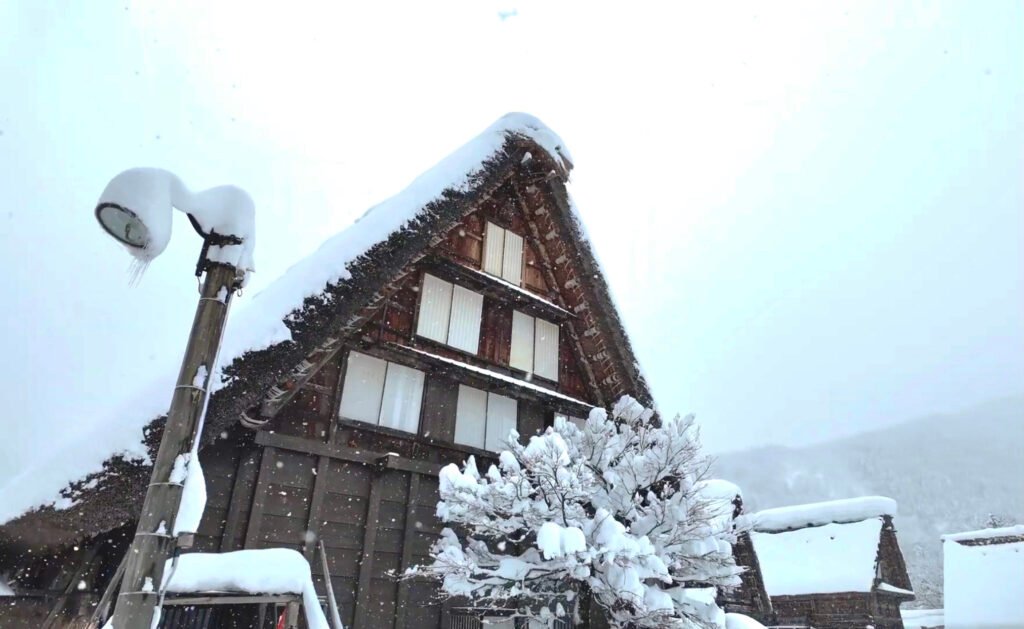
Ogimachi is the main village and the heart of Shirakawa-go. Simply walking through its narrow lanes is like stepping back into the Edo period. The houses are masterpieces of carpentry, with steep thatched roofs built without nails.
- Don’t just stick to the main street — explore the back paths where it’s quieter.
- Look out for rice paddies and small vegetable gardens, especially in summer.
- Respect residents’ privacy — many houses are still lived in.
2. Shirakawa-go Observatory Deck (Free / Shuttle ~¥200)
For that iconic panoramic view of the village, head up to the Ogimachi Castle Ruins Observatory Deck.
- You can hike up (about 15–20 minutes uphill) for free.
- Or take a quick shuttle bus from the village (~¥200 one way).
- Best time: early morning or late afternoon for soft light, or at night during the winter light-up.
3. Gassho-zukuri Minka-en (Open-Air Museum, ¥600)
This small outdoor museum displays several relocated farmhouses where you can step inside and see how villagers lived centuries ago.
- Exhibits include farming tools, hearths, and traditional rooms.
- It’s one of the best ways to understand the history behind the UNESCO designation.
4. Winter Light-Up Events (Free, but Limited)
For a few nights each January and February, Shirakawa-go hosts magical illumination events where the farmhouses glow against the snowy backdrop.
- Free to view, but entry is restricted and requires advance reservation (book months early).
- Accommodation during this time is also much pricier — if you’re on a budget, it might be better to visit just before or after the official events.
5. Hiking Trails (Free)
In warmer months, several trails wind through the surrounding mountains. They’re not difficult, and the reward is stunning bird’s-eye views of the valley.
- Trails are free, but check weather conditions — they’re not accessible in heavy snow.
6. Photography (Free)
Honestly, one of the best activities here is simply taking photos. Sunrise, sunset, or the hush of snowfall — Shirakawa-go is endlessly photogenic. Even if you’re not a serious photographer, you’ll walk away with frame-worthy shots.
✅ Budget Tip:
Most attractions in Shirakawa-go are either free or under ¥1,000. The biggest cost is transport — once you’re there, exploring doesn’t need to cost much at all.
Final Thoughts on Visiting Shirakawa-go on a Budget
Shirakawa-go is one of those places that looks like it belongs on a postcard — and honestly, it lives up to the hype. Whether you’re standing at the observatory deck gazing down at the clustered farmhouses, or sipping tea inside a creaky minshuku while snow falls outside, the village has a timeless quality that’s rare to find these days.
The good news? You don’t need to spend a fortune to experience it. Transportation will be your biggest cost, but once you arrive, most of the magic is free: wandering the lanes, taking in the scenery, and slowing down to feel the rhythm of mountain life.
If you’re on a tight budget, base yourself in Takayama or Kanazawa and come for a day trip. If you can stretch your yen a little, spend a night in a gassho-style farmhouse — it’s one of those once-in-a-lifetime stays worth the splurge.
Shirakawa-go isn’t about checking off attractions. It’s about stepping back in time, appreciating the simplicity of village life, and realizing that sometimes the most memorable experiences cost nothing at all.
So pack your camera, grab an onigiri for the bus ride, and let Shirakawa-go show you that travel in Japan doesn’t have to drain your wallet — only fill your memory bank.