Saroj Surkheti
When people imagine traveling to Japan, the bright lights of Tokyo or the timeless streets of Kyoto usually steal the spotlight. These cities are iconic for good reason—but just beyond the usual travel route lies Nara, a place that quietly holds the soul of Japan’s earliest history. Only about an hour from Osaka, Nara feels like a gentle pause from the fast pace of modern cities, inviting visitors to slow down and truly take in their surroundings.
As Japan’s first permanent capital, Nara is where many of the country’s cultural foundations were formed. Walking through the city feels like stepping into another era, where grand wooden temples rise among green parklands and sacred deer wander freely, unbothered by the passing of time. The atmosphere is calm, reflective, and deeply rooted in tradition, making Nara a perfect destination for travelers who want to experience a more peaceful and authentic side of Japan.
Here Are Top 5 Reason Why You Should Visit Nara
1. Historic Significance
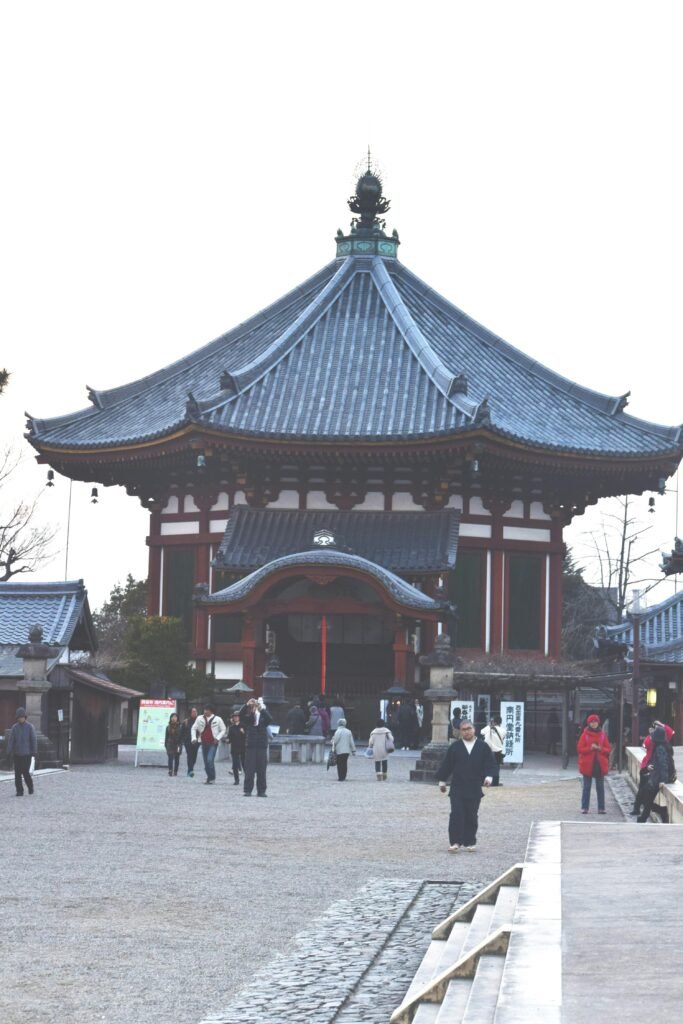
Nara was Japan’s first permanent capital in the 8th century, making it the foundation of the nation’s culture, politics, and religion. Many of Japan’s earliest Buddhist traditions, art styles, and government systems began here, giving visitors a deep connection to the country’s origins.
2. Iconic Landmarks
Nara is home to some of Japan’s most impressive historical sites, including Tōdai-ji Temple and the famous Great Buddha. The enormous bronze statue, housed inside one of the world’s largest wooden structures, is both visually breathtaking and spiritually moving.
3. Sacred Deer Experience
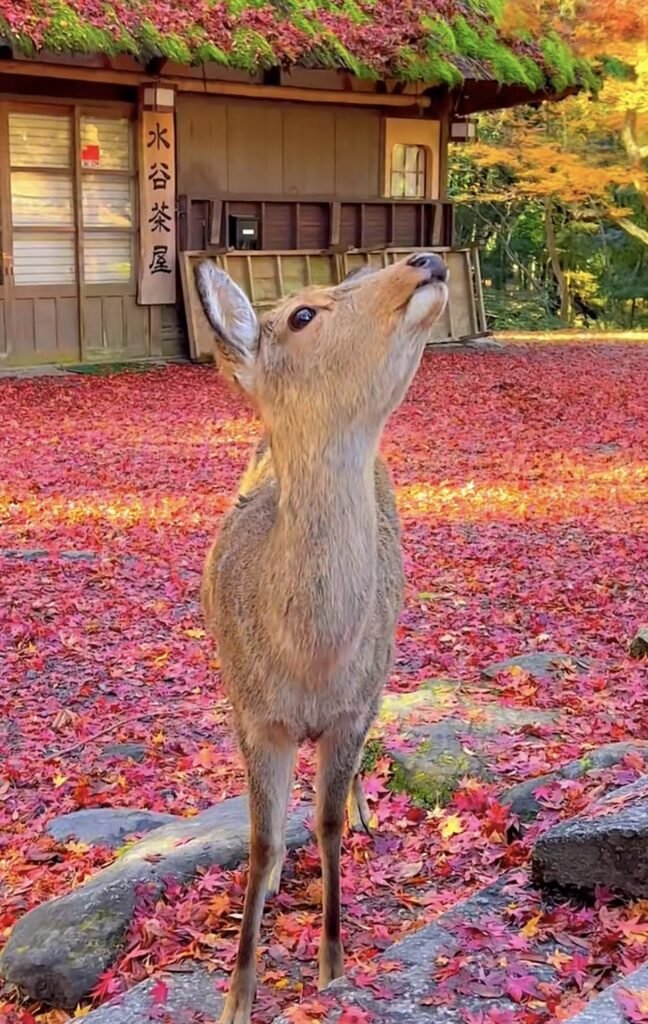

More than 1,000 deer roam freely throughout Nara Park, creating a truly unique travel experience. Considered divine messengers in Shinto belief, the deer symbolize harmony between humans and nature and add a gentle, memorable charm to the city.
4. UNESCO World Heritage Sites
Several UNESCO-listed temples and shrines, such as Kasuga Taisha and Kōfuku-ji, are located within walking distance of each other. This allows visitors to explore multiple culturally significant landmarks easily in a single day.
5. Relaxed and Peaceful Atmosphere
Unlike larger tourist cities, Nara feels calm and unhurried. With fewer crowds, quiet forests, and open park spaces, it’s an ideal destination for slow travel, reflection, and travelers seeking a more peaceful and authentic Japanese experience.
Best Time to Go
Nara is beautiful year-round, but some seasons stand out:
- Spring (March–May): Cherry blossoms bloom around temples and parks—ideal for photography.
- Autumn (October–November): Cool weather and stunning red and gold foliage.
- Summer (June–August): Lush greenery but hot and humid; fewer crowds.
- Winter (December–February): Quiet and peaceful, with occasional light snow adding charm to temples.
Best overall months: April and November.
How to Get There
Nara is easy to reach from major cities:
- From Osaka:
- JR Yamatoji Line to Nara Station (about 45 minutes)
- Kintetsu Line to Kintetsu-Nara Station (about 35 minutes)
- From Kyoto:
- JR Nara Line (about 45 minutes)
Kintetsu-Nara Station is closer to Nara Park and most attractions.
Where to Stay
While Nara is often visited as a day trip, staying overnight allows you to enjoy the city’s quiet evenings.
- Traditional Ryokan: Experience tatami rooms and Japanese hospitality near Nara Park.
- Mid-range Hotels: Comfortable hotels near Kintetsu-Nara Station for convenience.
- Budget Options: Guesthouses and hostels offer affordable stays with a local feel.
Staying near Nara Park or Kintetsu-Nara Station is the most convenient.
Travel Tips
- Wear comfortable walking shoes—most attractions are explored on foot.
- Buy deer crackers from approved vendors; don’t feed deer other food.
- Visit popular sites early in the morning to avoid crowds.
- Carry cash for small temples and local shops.
- Be respectful at temples and shrines—observe local customs and etiquette.
Sample One-Day Itinerary in Nara
Morning
- Arrive at Kintetsu-Nara Station
- Walk through Nara Park and interact with the deer
- Visit Tōdai-ji Temple and see the Great Buddha
Midday
- Lunch at a local restaurant serving Nara specialties
Afternoon
- Explore Kasuga Taisha Shrine with its lantern-lined paths
- Visit Kōfuku-ji Temple and its pagoda
- Stroll through Isuien Garden or nearby streets
Evening
- Enjoy sunset views in Nara Park
- Return to Osaka or stay overnight for a peaceful evening walk
Final Thoughts
Nara is more than just a stop between Osaka and Kyoto—it’s a destination that captures the soul of ancient Japan. Whether you come for history, nature, or a slower pace of travel, Nara leaves a lasting impression that feels both gentle and profound.

I visited Nara during my trip to Kyoto, thinking of it as a simple day excursion. But the moment I arrived, the atmosphere felt different—calmer, quieter, and deeply rooted in history. Walking through Nara Park, I was greeted by deer roaming freely, completely unbothered by the visitors around them. It felt natural and peaceful, as if the city and nature had learned to coexist over centuries.