Saroj Surkheti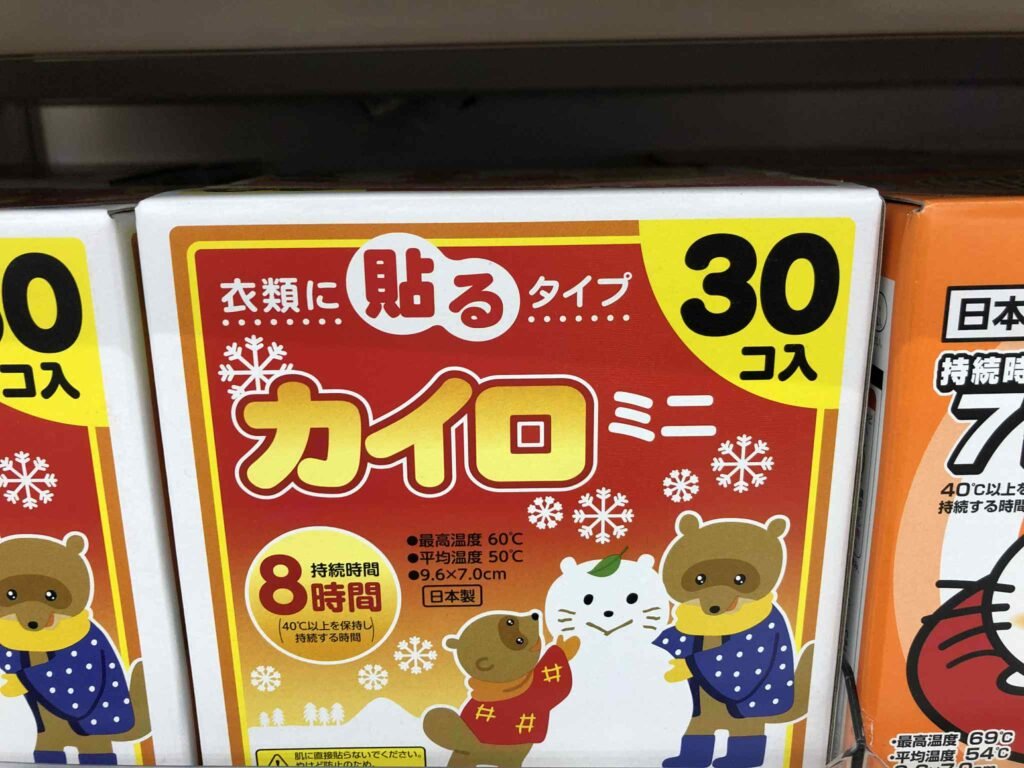
Winter in Japan can feel magical — streets glowing with illuminations, steaming bowls of ramen waiting on every corner, snow-covered temples, and crisp mountain air in places like Nagano and Hokkaido. But for many travelers, especially those visiting between December and February, the cold can come as a surprise. Even Tokyo, known for its mild climate, can feel icy when wind blows between tall buildings or when you’re waiting outdoors for a train.
This is where kairo comes in — Japan’s secret winter weapon.
If you’re planning a winter trip to Japan, knowing what kairo is, how to use it, and the different types available can make your trip significantly more comfortable. This guide explains everything a traveler needs to know: what kairo is, how it works, where to buy it, and why it will become your best friend as you explore Japan’s winter landscapes.
What Is Kairo? The Japanese Winter Lifesaver
Japan’s winter heat pack, kairo (カイロ), is a small packet that generates warmth when exposed to air. The warmth comes from a natural chemical reaction between iron powder, salt, charcoal, and water. As the iron slowly oxidizes, it produces heat — lasting anywhere from 5 to 14 hours depending on the type.
Kairo is designed to slip into your pockets, stick onto your clothing, or even warm your feet inside shoes. Unlike bulky heated gear, kairo is:
- Compact
- Lightweight
- Inexpensive
- Easy to find
- Extremely efficient
For a traveler visiting Japan in winter, especially if you’ll be spending time outdoors, kairo becomes more than a convenience — it becomes a necessity.
Why Travelers Should Care About Kairo
When you’re traveling, comfort affects everything — your mood, your energy levels, and your willingness to explore. Here’s why kairo matters so much for winter travelers in Japan.
1. Japan’s Winter Is Colder Than You Think
Even if you come from a cold country, Japan’s winter can feel different. The humidity and wind chill make the air sharp and surprising. Tokyo’s temperature may say 5°C, but walking through Shibuya Crossing with a breeze can feel closer to -1°C.
2. Travel Means Waiting Outdoors
Many popular winter activities involve long lines or walking:
- Disney and Universal Studios queues
- Illuminations like Shibuya’s Blue Cave or Roppongi Hills
- New Year shrine visits (Hatsumode)
- Outdoor Christmas markets
- Train platforms on cold mornings
- Snow festivals like Sapporo
Kairo gives you warmth exactly where you need it.
3. It Saves Space in Your Luggage
Instead of packing extremely heavy winter coats, you can layer lighter clothing and use kairo to stay warm. Many travelers discover kairo on their first cold night and then wonder how they ever managed without it.
4. It’s Cheap and Everywhere
You can buy kairo at:
- 7-Eleven
- FamilyMart
- Lawson
- Don Quijote
- Matsumoto Kiyoshi
- Daiso
- Supermarkets
Prices are usually ¥50–¥100 per piece or ¥300–¥500 for a pack of 5–10.
5. It Makes Winter Travel More Enjoyable
With warm hands and a warm back, you’re more likely to slow down, take photos, appreciate illuminations, and walk through charming streets without rushing indoors.
Types of Kairo in Japan (With Detailed Explanations)
Japan is famous for its variety — and hot packs are no exception. You’ll find multiple types designed for different parts of the body and different levels of activity. Below is a detailed explanation of each type and when travelers should use them.
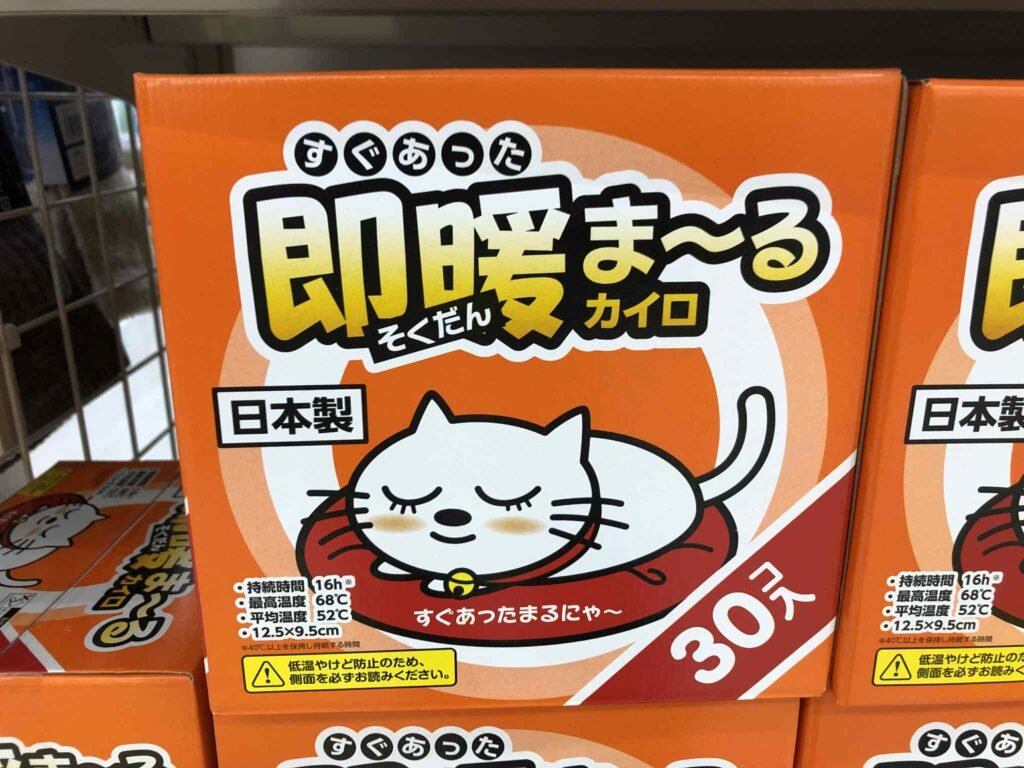
1. Non-Adhesive Hand Kairo (貼らないカイロ)
Best for: Walking, sightseeing, outdoor festivals
These are the classic hand warmers you hold in your hand or keep in your coat pockets. They heat up fast — usually within 30 seconds to a minute — and stay warm for 8 to 12 hours.
Why Travelers Love It
- Perfect for walking around illuminations
- Keeps fingers warm while taking photos
- Great for long outdoor queues
- Easy to move around — chest, hands, pockets, anywhere
How to Use
- Shake the packet gently
- Put it in your coat pocket
- Warm your hands whenever needed
Pro Tip
Buy multi-packs from Don Quijote — much cheaper than individual convenience store packs.
2. Adhesive Body Kairo (貼るカイロ / Haru Kairo)
Best for: Staying warm all day, theme parks, winter hikes, long train rides
These are one of the best inventions for winter. Stick-on kairo attach to the inside of your clothing (never directly on skin!) and provide slow, gentle heat for 10–14 hours.
Why Travelers Love It
- Keeps the core of your body warm
- Perfect for long days at Disney or USJ
- Great for elderly travelers or kids
- Feels like wearing a heated jacket
Where to Stick It
- Lower back (most effective)
- Stomach area
- On top of undershirt near chest
- Inside a jacket or sweater
Important Safety Note
Do not stick directly onto bare skin — it can cause burns.
Travel Scenario
You’re exploring Nikko’s temples or strolling through Asakusa at night — stick-on kairo keeps your whole body warm without needing heavy coats.
3. Foot Kairo (靴用カイロ)
Best for: Exploring cities, walking long distances, ski trips
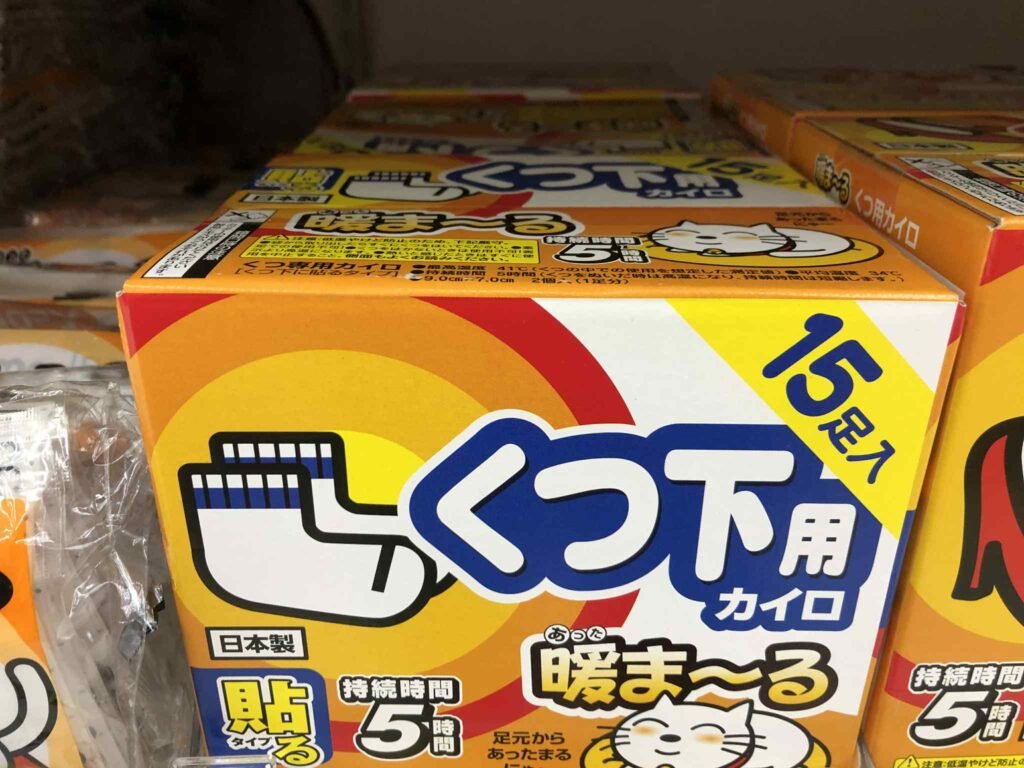
These are thin and designed to be placed at the bottom of your shoe. They warm gradually and stay comfortable for several hours.
Why Travelers Love It
- Keeps feet from freezing on cold pavements
- Great for walking-heavy cities
- Perfect for cold mornings and mountain towns
Useful For
- Kyoto’s long temple walks
- Sapporo Snow Festival
- Visiting Shirakawa-go
- Winter hikes
Note
Make sure your shoes are not too tight — cramped space reduces heat circulation.
4. Toe Kairo (つま先カイロ)
Best for: Days when toes freeze first (Japan winter can be windy)
A smaller version of foot warmers, toe kairo attach to the top of your sock and warm your toes specifically.
Great for:
- Skiing
- Snowboarding
- Snow parks
- Areas with heavy snowfall
5. Seat Kairo (座るカイロ)
Best for: Outdoor sports, watching events, long waits
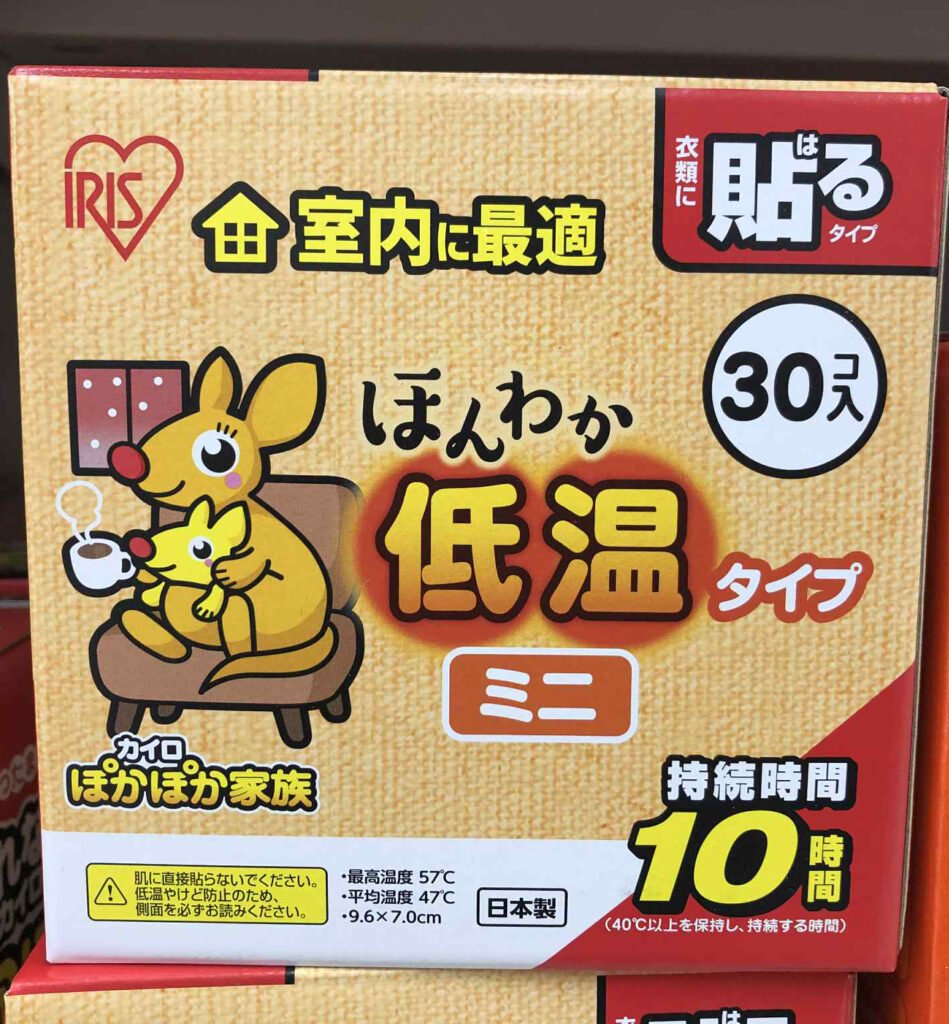
These less common kairo warm your seat — perfect when watching outdoor events or waiting on cold surfaces. Travelers might use this during traditional festivals where sitting outside is common.
6. Body Belt-Type Kairo (腰カイロ / Kairo Belt)
Best for: Elderly travelers, people sensitive to cold, winter hiking
These reusable belts hold kairo in place along the lower back area. They provide steady, targeted warmth and are popular among older people in Japan.
7. Reusable Gel Kairo (Reusable Pocket Warmers)
Best for: Eco-friendly travelers, short-term warmth
These require boiling to “reset” them. They provide 30–60 minutes of heat. Less effective than disposable kairo but still useful for short walks.
How Kairo Works: Simple Science for Travelers
Kairo uses the heat generated by oxidation — in simple terms, iron rusting but in a controlled way. The moment you open the packet and oxygen hits the iron powder, the chemical reaction begins.
Typical Ingredients
- Iron powder
- Charcoal
- Salt
- Vermiculite
These elements create heat slowly and safely. This is why Japan’s kairo feel consistent — not too hot, not too cold — just perfectly warm.
When You Should Use Kairo in Japan
1. Winter Illuminations
Places like Roppongi Hills, Shibuya Blue Cave, and Tokyo Midtown get very cold at night. Kairo lets you enjoy the lights without freezing.
2. Theme Parks
Disneyland, DisneySea, and Universal Studios have long outdoor lines. Stick-on kairo keeps your energy up all day.
3. Snow Destinations
Heading to:
- Hokkaido
- Nagano
- Shirakawa-go
- Zao Onsen
- Hakuba
Foot and toe kairo are lifesavers.
4. New Year Shrine Visits (Hatsumode)
This midnight tradition is freezing. Everyone uses kairo while waiting in long lines at Meiji Shrine or Senso-ji.
5. Train Platforms
Many local train platforms are outdoors and windy. Kairo keeps you warm while waiting for your train.
6. Watching Outdoor Events
From winter fireworks to street performances — sitting outside requires warmth.
Where to Buy Kairo in Japan (Travel Perspective)
Kairo is nearly impossible to miss. As soon as winter hits, stores display them prominently near entrances.
Best Places
- Convenience stores (7-Eleven, Lawson, FamilyMart)
Perfect for emergency purchases. - Don Quijote
Best for bulk purchase or variety. - 100-yen shops (Daiso, Seria)
Cheapest option; quality surprisingly good. - Drugstores (Matsumoto Kiyoshi, Welcia, Tsuruha)
High-quality brands like Kobayashi.
Prices
- Single pack: ¥50–¥100
- Packet of 5–10: ¥500–¥1000
- Specialty kairo (foot/toe): ¥150–¥300 per pair
How to Use Kairo Safely (Important for Travelers)
While kairo is safe, it’s important to use it correctly:
Do:
✔ Use over clothing
✔ Move it between pockets
✔ Carry spares on long days
✔ Dispose after use
Don’t:
✘ Don’t place directly on skin
✘ Don’t sleep with kairo attached
✘ Don’t put kairo on extremely tight clothing
✘ Don’t use on infants
✘ Don’t place in enclosed spaces without air — warmth reduces
Final Thoughts: Don’t Visit Japan in Winter Without Kairo
Whether you’re wandering through Tokyo’s glowing streets, exploring Kyoto’s ancient temples, riding the Shinkansen through snowy landscapes, or watching snow monkeys in Nagano’s hot springs — kairo will always make your trip better.
It’s a tiny product with a huge impact. Travelers often buy it once and never stop using it again throughout their trip.
If there’s one winter essential you should know about before coming to Japan, it’s this:
Kairo is your best friend in the Japanese winter.