 Saroj Surkheti
Introduction: Why You Should Try a Capsule Hotel in Japan
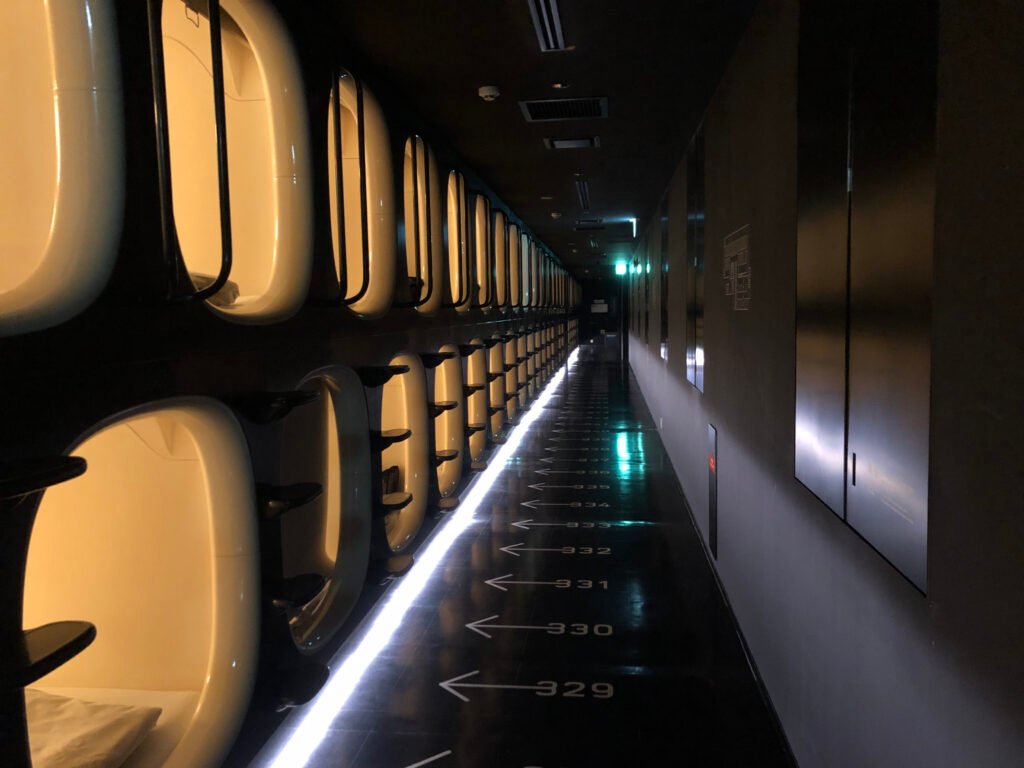
If you’re planning a trip to Japan — whether it’s your first or your fifth — there’s one uniquely Japanese experience you absolutely shouldn’t miss: staying in a capsule hotel.
No, it’s not a gimmick. It’s a practical, fascinating, and surprisingly comfortable way to rest your head after a long day of sightseeing. Capsule hotels are especially great if you’re a solo traveler, a budget explorer, or someone who simply loves trying something a little different from the norm.
The concept of capsule hotels originated in Osaka in 1979, designed to serve overworked businesspeople who missed the last train home. Back then, it was more about functionality than comfort. But over the years, capsule hotels have evolved. Today, they are clean, modern, stylish, and perfect for both domestic and international tourists looking for a short-term stay.
While many travelers use them for a single night — in between train rides, flights, or during quick city stops — others use them for longer stays. As long as you’re comfortable in a compact space and don’t mind shared facilities, capsule hotels offer amazing value for money.
Where You’ll Find Them (And What They Cost)
Capsule hotels are especially popular in Japan’s major cities, where accommodation can get pricey — places like Tokyo, Osaka, Kyoto, Yokohama, and Sendai. You’ll often find them near train stations, downtown shopping areas, or even inside airport terminals.
Most capsule hotels charge anywhere from ¥2,000 to ¥5,000 per night, depending on location, amenities, and brand. That’s roughly $15–$35 USD — a bargain, considering what you get in return. Some luxury capsule hotels also exist with high-end finishes, on-site saunas, and lounge spaces, though prices climb a bit higher.
The good news? They’re incredibly safe, clean, and well-managed. Most offer separate male and female floors or sections, making it a comfortable choice for solo female travelers as well.
What to Expect – Inside a Capsule Hotel
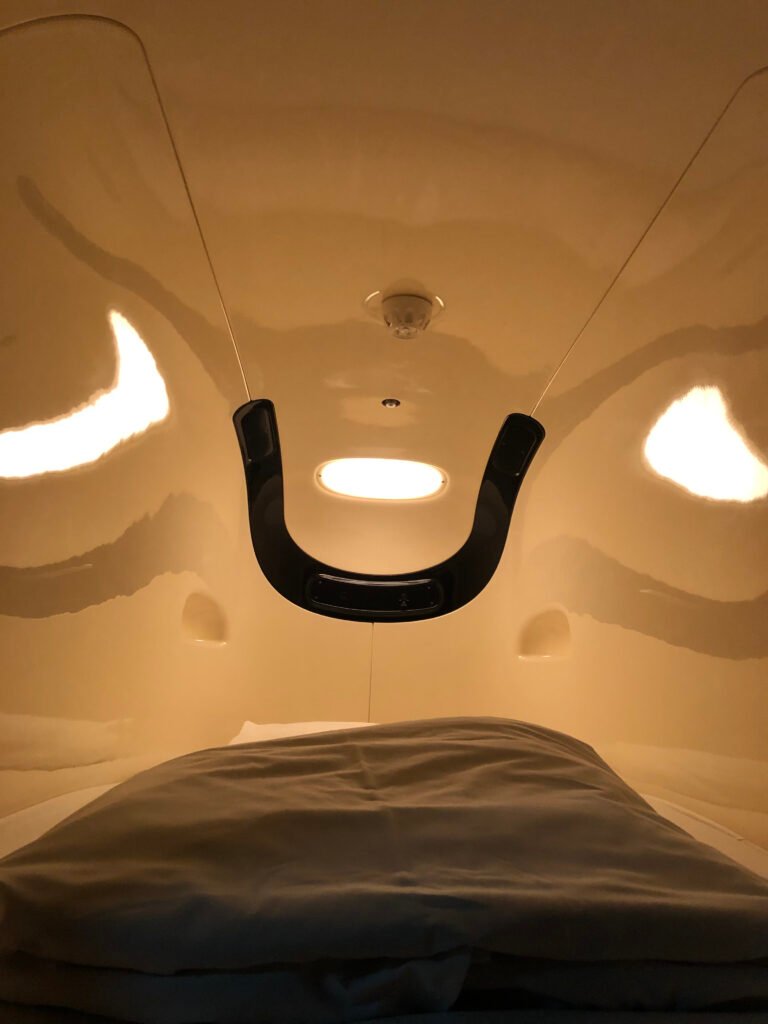
So what exactly is a capsule? Think of it as your own mini bedroom, just without the walls.
Each sleeping pod is usually around 1.2 meters wide, 2 meters long, and 1 meter high — not huge, but enough to sit up, lie down, stretch your legs, and relax in privacy. The capsules are arranged in rows and double-stacked, like a neatly designed beehive.
When you check in, the staff gives you:
- A locker key for your belongings
- A small amenities bag with towels, slippers, toothbrush, and nightwear (some hotels include this in the price; others charge a small fee)
Inside the pod, you’ll typically find:
- A power outlet or USB plug for charging
- An adjustable reading light
- A ventilation or AC control
- A small shelf or place to keep your phone or book
- A privacy curtain or screen
And no need to bring your own shower stuff — almost every capsule hotel provides shampoo, conditioner, body soap, and hair dryers in the shared bathrooms.
Shared Facilities: How It All Works
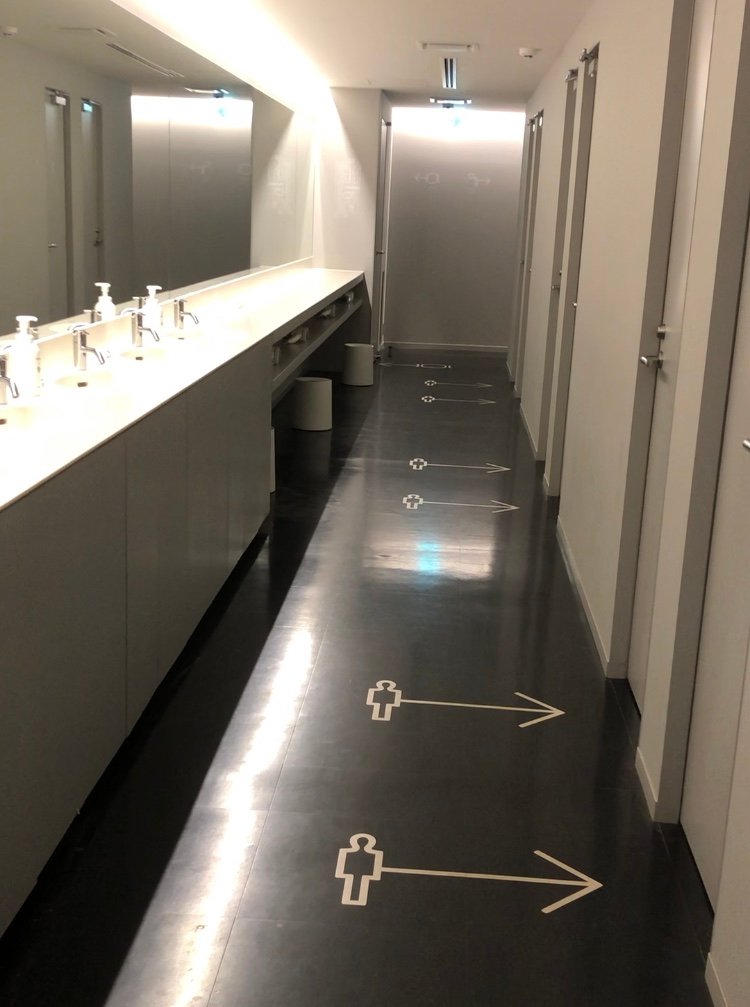
It’s true — capsule hotels involve shared spaces, but they’re very clean, organized, and culturally respectful.
Here’s how a typical stay works:
- Check-in: You’ll fill out a simple form, receive your locker key, and be shown where everything is.
- Changing/Locker Room: Store your backpack or suitcase in a designated locker. Most hotels don’t allow large luggage inside the sleeping area for space and safety.
- Shower & Toilets: These are shared but cleaned regularly. You’ll find separate facilities for men and women, along with basic toiletries.
- Common Areas: Depending on the hotel, there might be a small lounge, shared kitchen, or even a book library where guests can chill, work, or eat cup ramen late at night.
My Personal Experience at 9hours Capsule Hotel, Sendai
I’ve stayed in several capsule hotels throughout Japan, but my recent visit to 9hours Capsule Hotel in Sendai stands out. If you haven’t heard of the 9hours chain, it’s one of the most minimalistic and futuristic capsule hotel brands in Japan.
The name “9hours” comes from the idea of a simplified stay:
- 1 hour to shower
- 7 hours to sleep
- 1 hour to rest and get ready
Of course, no one checks your timer — you can stay as long as your booking allows, but the concept is cool and clean.
When I arrived, check-in was quick. I received my locker key, towel set, toothbrush, nightwear, and slippers — all included in the price. I headed up to the male sleeping floor, stored my belongings, and followed the posted instructions to take a shower before entering the pod zone.
Once inside my capsule, I felt surprisingly relaxed. It was quiet, cool, and private enough that I could read and scroll through photos from the day without being disturbed. Everything was in its right place — no clutter, no noise, just peace.
And here’s the best part: the hotel had a 7-Eleven right on the ground floor. Late-night hunger? No problem. I grabbed a hot ramen and a rice ball ( onigiri ) best meal for a traveler like me, easy, cheap, and full of stomach.
Unlike some capsule hotels where there’s a wait for showers or toilets, 9hours Sendai had more than enough facilities. That’s a big plus for tired travelers like me.
What I Missed – and What You Might Look For
While 9hours was great, there were a couple of things I missed — things I’ve seen in other capsule hotels:
- A dining lounge or small social area
- A book or manga library to relax with
- Shared kitchen or microwave for small meals
These extras aren’t always necessary, but they do help add warmth to the experience, especially if you’re traveling for several days.
Pros of Staying in Capsule Hotels
Here’s why I keep coming back to capsule hotels when traveling around Japan:
✅ Cheap and budget-friendly
✅ Great for solo travelers
✅ Often located near major stations
✅ Clean and safe, especially for international guests
✅ A mix of privacy + shared experience
✅ A chance to meet other travelers
✅ It just feels… uniquely Japanese
👎 Cons of Capsule Hotels
Of course, it’s not for everyone. Some things to keep in mind:
❌ You’ll need to share toilets and showers
❌ The pods are compact, not ideal if you need lots of space
❌ You might hear snoring or phone notifications from other pods
❌ And no — you can’t fart loudly (trust me, someone will hear it)
💡 Tips for First-Time Capsule Guests
- Bring earplugs or noise-canceling earbuds
- Travel with a small bag — large luggage can be tricky to store
- Be respectful of the quiet zones — most guests are trying to sleep
- Try a weekday stay — it’s cheaper and less crowded
- Don’t worry about towels or toiletries — most are provided
🚆 Final Thoughts: A Tiny Space with a Big Impression
If you’re traveling through Japan and want to experience something simple, affordable, and uniquely local — give capsule hotels a try. Whether it’s for one night or a few, it’s a memorable way to connect with the rhythm of Japanese travel culture.
You might start off curious… but leave surprisingly rested.
As someone who usually loves the wild outdoors, two-wheel road trips, and setting up tents in nature, I didn’t expect to enjoy a sleeping pod this much. But Japan has a way of surprising you — even in the smallest of spaces.
If you’ve stayed in a capsule hotel, I’d love to hear about your experience too. Drop a comment or share your favorite capsule chain — and let’s swap stories from the pod life!




[…] access to budget-friendly neighborhoods: Asakusa, Ueno, and Sumida offer affordable hostels, capsule hotels, street food, and […]