Saroj Surkheti
Why I Decided to Visit Hakone
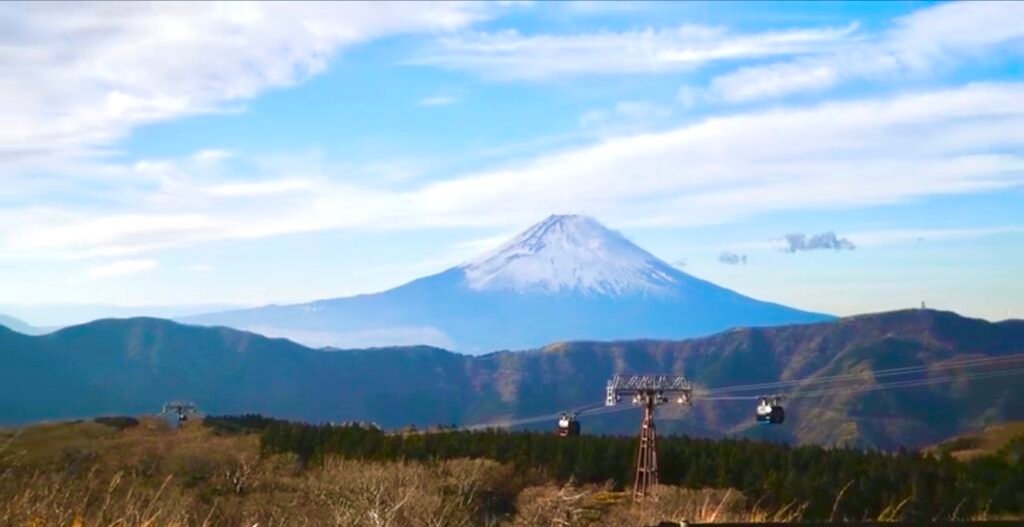
Hakone is one of those places that feels like a peaceful escape from the hustle and bustle of Tokyo, yet it’s only a couple of hours away. People visit because it combines nature, culture, and relaxation in a way that feels effortless. From the moment you step into the mountains, the air feels fresher, the pace slower, and the scenery instantly calming.
One of the biggest draws is Lake Ashi, a serene lake framed by mountains and, on clear days, offering stunning views of Mount Fuji. Riding the pirate-style sightseeing boats or simply strolling along the shore gives a sense of quiet magic that’s hard to find in a city. It’s also perfect for photographers and anyone who just wants to pause and take it all in.
And budget traveler like me it is a perfect destination in one spot. Here we can experience unique transportation, eat extra ordinary black eggs, enjoy the nature with views of Mt. Fuji and come back to Tokyo after onsen.
Planning the Trip: The Hakone Freepass
If you’re heading to Hakone from Shinjuku, the Hakone Freepass from Odakyu Railway is your best friend.
For ¥7,100 it covers:
- Round-trip transportation from Shinjuku ↔ Hakone-Yumoto
- Unlimited rides on local trains, cable cars, ropeways, buses, and the sightseeing cruise within Hakone
It’s valid for two days, but even for a single-day trip, it pays off quickly. I bought mine at the Odakyu Sightseeing Center in Shinjuku Station—fast, easy, and the staff speak English.
If you want to travel slightly faster and in comfort, you can reserve a seat on the Odakyu Romancecar for an extra ¥1,300. But I decided to stay frugal and take the regular express train, which takes about two hours. If you want more details about Hakone travel pass, then here it is
Morning Journey: Shinjuku to Hakone-Yumoto
I boarded the 7:00 a.m. train, still half-awake, coffee in hand. Train was not so crowded I get seat easily.Two hours later, I stepped off at Hakone-Yumoto Station, the gateway to Hakone.
The air instantly felt cooler and fresher. The little town had a relaxed pace, with the sound of running water from the nearby river and small shops selling steamed buns and local crafts.
Riding the Hakone Tozan Railway
Around 9:30 a.m., I boarded the Hakone Tozan Railway, Japan’s oldest mountain train. The route zigzags through lush forests and small villages, climbing higher with each turn. The conductor switches direction several times, and each time the view grows more dramatic.
It’s a slow, charming journey—almost meditative. For a budget traveler like me, the ride itself felt like a mini attraction.
Cable Car and Ropeway: Views in Motion
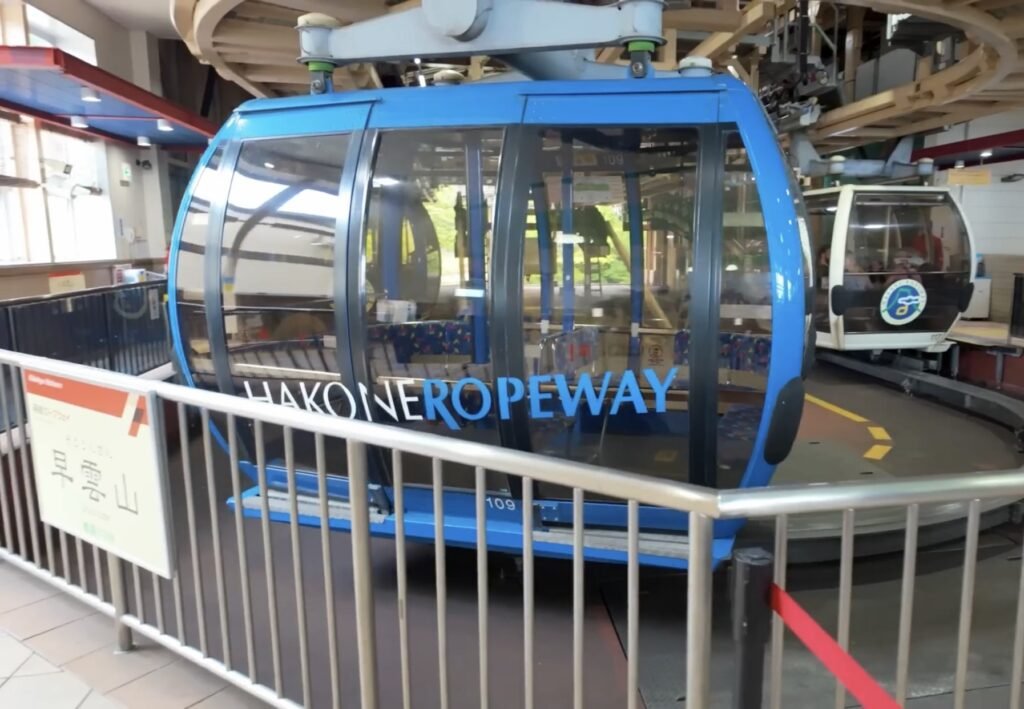
At Gora Station, I transferred to the Hakone Tozan Cable Car, a short but steep ride up the hillside to Sounzan Station. From there, the real thrill began—the Hakone Ropeway.
The ropeway floats above the mountains, offering panoramic views of valleys and, on clear days, Mount Fuji itself. As my gondola glided over the Owakudani Valley, I could see plumes of white steam rising from the volcanic vents below—a surreal, almost otherworldly sight.
Note: At the time wind was so strong in Owakudani so I decided to visit Lake first and come back later while returning. According to weather situation you can also rearrange the plan.
Cruising Across Lake Ashi
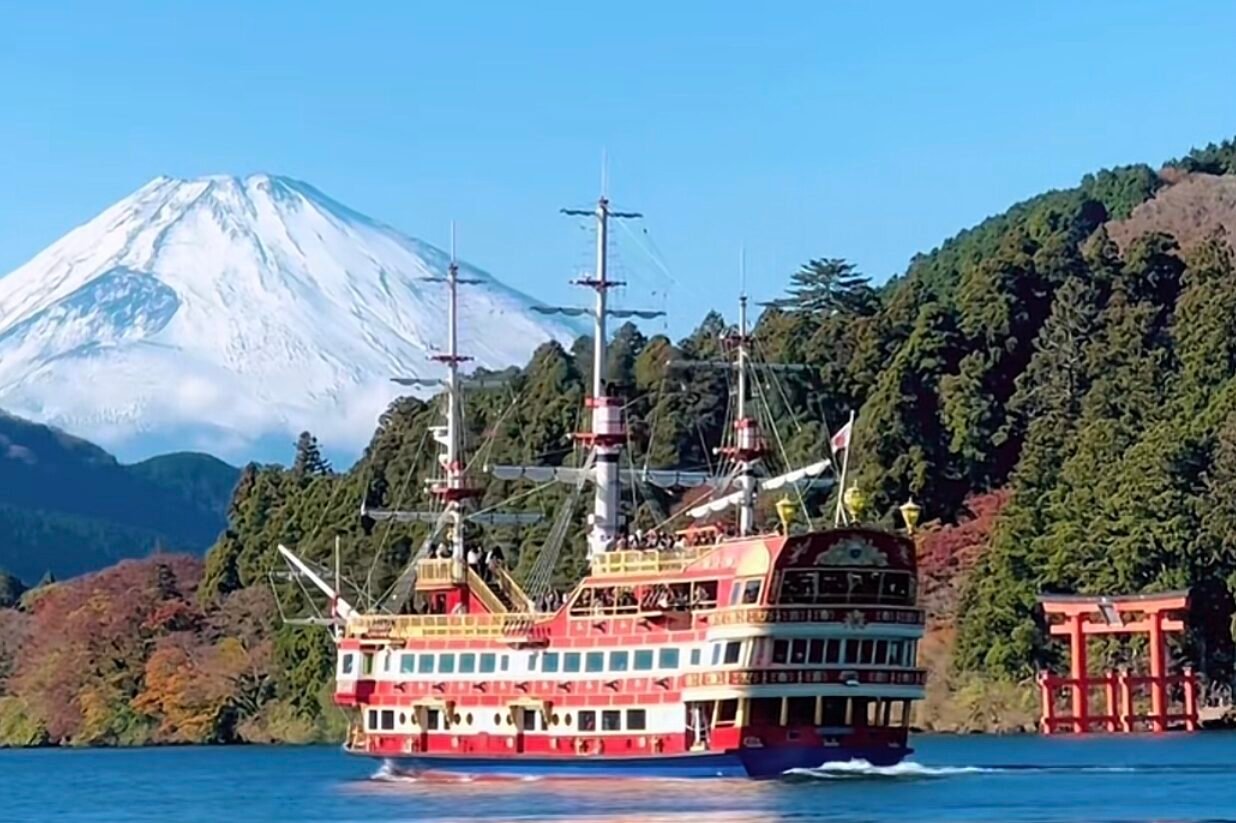
At Togendai Port, I hopped aboard the Hakone Sightseeing Cruise, easily recognizable by its colorful, pirate-style ships. The entire 30-minute cruise is included in the Hakone Freepass.
The lake was calm and shimmering under the morning sun. From the deck, I caught my first full view of Mount Fuji, its snow-capped peak floating above the clouds. Everyone on the ship paused for photos—it’s one of those rare, clear-sky mornings you never forget.
We cruised toward Hakone-machi Port, passing cedar forests and small shrines along the shoreline.
Lunch by the Lake
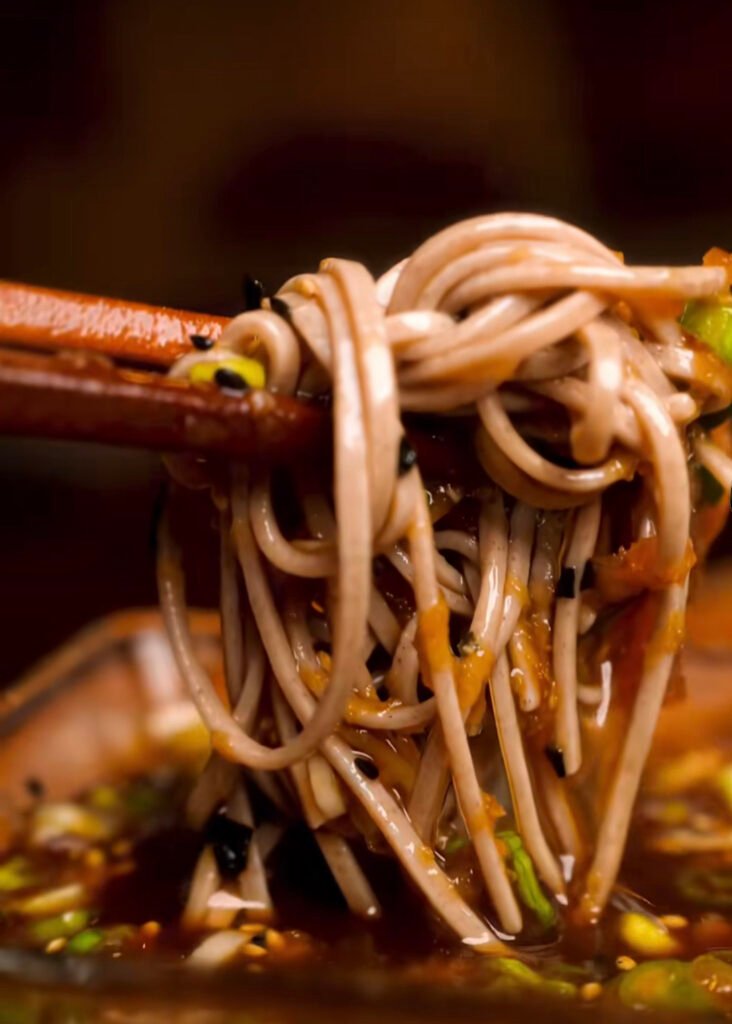
By noon, my stomach reminded me I hadn’t eaten since dawn. Near Moto-Hakone Port, I found a tiny soba restaurant tucked behind the main street. It wasn’t fancy—wooden benches, a steaming pot behind the counter—but the mountain vegetable soba (¥1,000) was warm, earthy, and perfect.
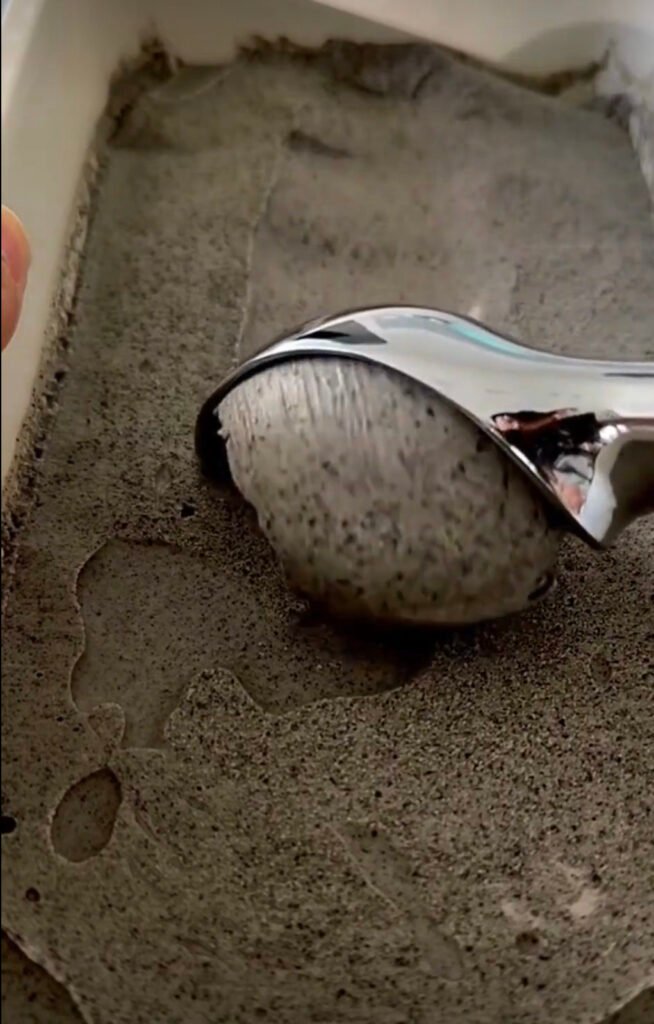
Budget travelers will find plenty of small eateries here serving soba, curry rice, or grilled lake fish. For dessert, I grabbed a soft-serve ice cream made with black sesame from a roadside stand—¥400 well spent.
Travel Tip:
Avoid the first restaurants you see near the port. Walk a few minutes uphill or along side streets for better prices and fewer crowds.
Visiting Hakone Shrine
After lunch, I walked ten minutes to Hakone Shrine, one of the area’s most iconic spots. The path is shaded by tall cedar trees, and at the end stands the famous red tori gate rising from the water.
Seeing it up close felt special. I waited patiently as tourists posed for photos, then stood quietly at the shrine, listening to the waves.
It’s a great place to slow down for a moment—light incense, make a small offering, and enjoy the stillness before continuing the journey.
Exploring Owakudani Valley
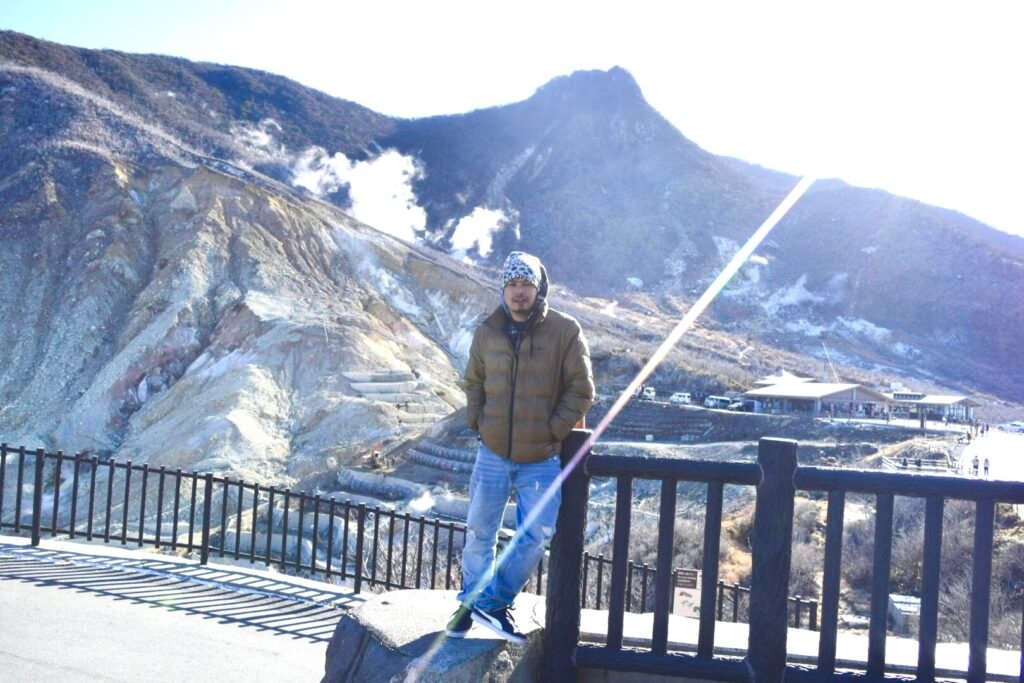
From the port, I caught the Hakone Ropeway back toward Owakudani, at this time weather was good, and the wind was also calm. Due to the high altitude, the weather here is unpredictable. Owakudani Valley is the heart of Hakone. The smell of sulfur filled the air long before the station came into view. Steam hissed from the ground, and the entire valley looked like a living science experiment.
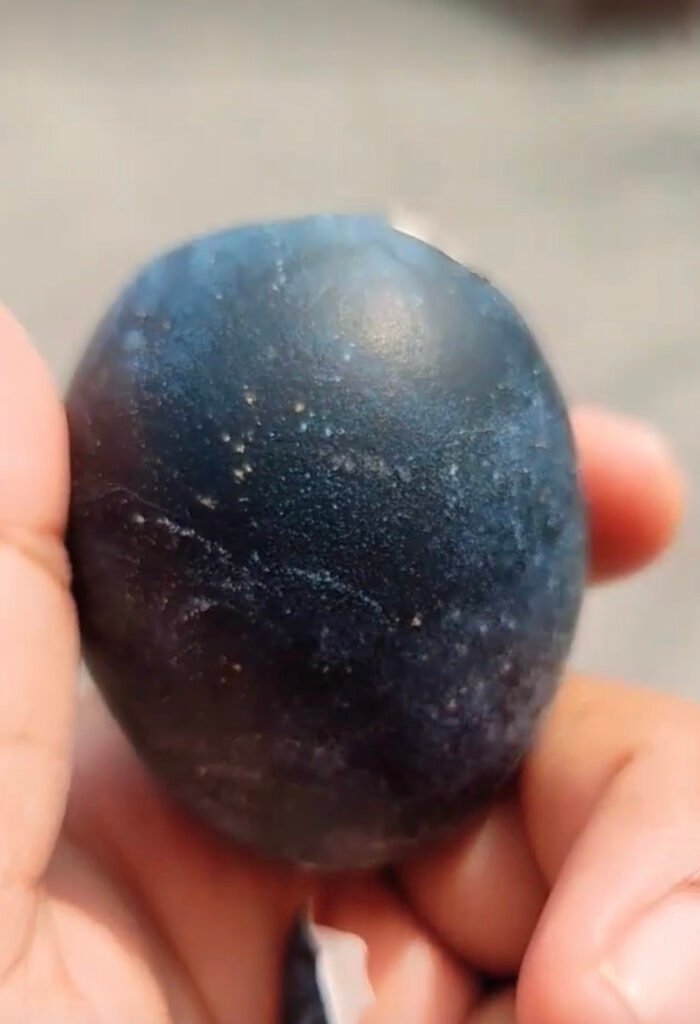
At the souvenir stands, I bought the famous black eggs (kuro-tamago)—boiled in natural sulfur springs. Legend says eating one adds seven years to your life. Whether or not that’s true, they tasted surprisingly good, slightly smoky and warm.
If the weather is clear, the observation deck here offers one of Hakone’s best views of Mount Fuji rising above the clouds.
♨Relaxing in a Local Onsen
By early evening, I started heading back toward Hakone-Yumoto for a well-deserved soak. There are plenty of onsens, but since I was on a budget, I chose Kappa Tengoku, located just a few minutes uphill from the station.
For ¥800, you get access to an open-air bath surrounded by nature. It’s simple, not luxurious, but the hot water after a full day of exploring felt incredible.
If you prefer indoor baths or more facilities, then Kappa Tengoku also provide, but it cost (around ¥1,000/45min ) which is also another option.
Travel Tip:
Bring your own small towel to save on rental fees. Most baths provide soap and shampoo for free, and coin lockers cost around ¥100.
Returning to Shinjuku
Around 6:30 p.m., I walked back to Hakone-Yumoto Station, slightly sleepy from the onsen. The return train was comfortable and quiet, and I spent the two-hour ride scrolling through my photos—Fuji reflections, red gates, and the pirate ship on Lake Ashi.
By the time I reached Shinjuku around 8:30 p.m., Tokyo’s neon lights had replaced Hakone’s mountains. It felt like I’d traveled far more than just a few hours away.
My One-Day Hakone Budget Breakdown
| Item | Cost (¥) |
| Hakone Freepass (from Shinjuku) | 7,100 |
| Lunch + snacks | 1,500 |
| Onsen entry | 800 |
| Souvenirs / coffee | 500 |
| Total Cost | ≈ 9900 ¥ |
Best Time to Visit Hakone
Hakone is beautiful year-round:
- Spring (March–May): Cherry blossoms around Lake Ashi and mild weather.
- Summer (June–August): Lush greenery, but occasional rain.
- Autumn (September–November): Brilliant red and gold foliage.
- Winter (December–February): Crisp air and the clearest Mt. Fuji views.
If your goal is seeing Mount Fuji, winter mornings are unbeatable. The air is dry and the mountain stands perfectly clear.
Extra Tips for a Smooth Trip
1. Start Early:
Catch a 7:00 a.m. train from Shinjuku. The earlier you go, the fewer crowds and the better your chances of clear Fuji views.
2. Check the Weather:
Search “Hakone live camera Mt. Fuji” before you leave. Real-time webcams can help you decide which day offers the best visibility.
3. Bring Snacks and Water:
Some transfer stations and ropeway terminals have limited options, especially in the morning.
4. Respect Onsen Etiquette:
Rinse thoroughly before entering the bath, don’t splash or swim, and remember that most onsens don’t allow swimsuits. If this is your first visit to Japan, then you also know some basic rules.
5. Keep the Freepass Handy:
You’ll need to show or scan it multiple times for trains, ropeways, and cruises.
Why Hakone Stands Out
As someone who lovesslow, meaningful travel, then Hakone is the one. It manages to combine nature, history, and relaxation in one compact area.
Unlike some resort towns that feel overly commercial, Hakone still has moments of authenticity—a local soba shop run by an elderly couple, the smell of cedar trees near the shrine, or the sight of Fuji appearing unexpectedly behind clouds.
The beauty of a day trip like this is how easy it is to experience the essence of Japan without expensive tours or overnight stays. For under ¥10,000, you can see one of Japan’s most famous landscapes, soak in a natural hot spring, and be back in Tokyo by dinner.
Final Thoughts
When I first planned this trip, I wondered if a single day would be enough for Hakone. But after doing it, I realized it was the perfect escape—a breath of fresh mountain air between busy city days.
If you’re a budget traveler in Japan, don’t skip Hakone. With a Hakone Freepass, comfortable shoes, and a curious spirit, you can experience onsen culture, mountain views, and Mt. Fuji’s quiet majesty all in one unforgettable day.
I returned home tired, sun-kissed, and happy—already planning to come back in autumn for the fiery colors around Lake Ashi.