Saroj Surkheti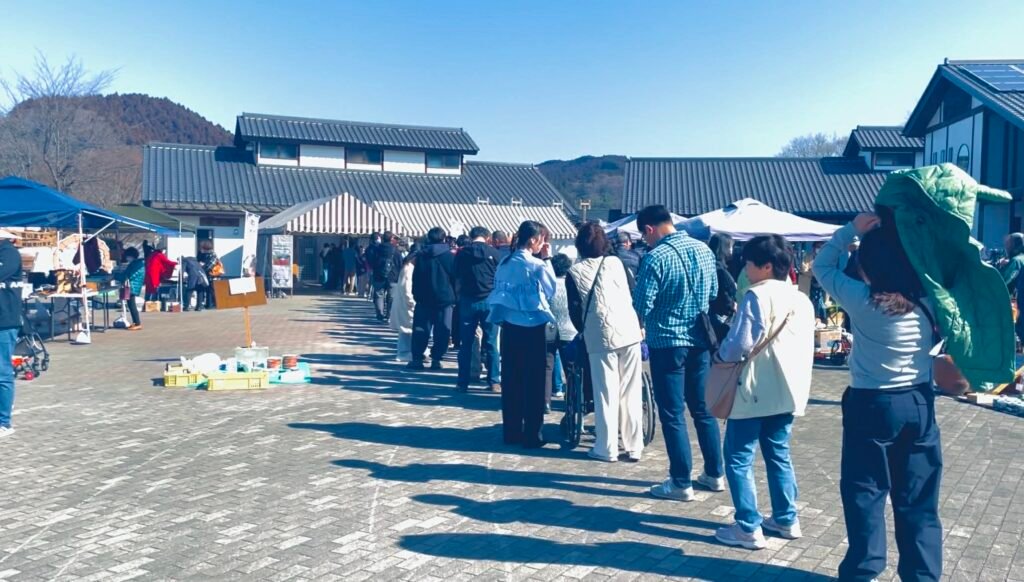
Travel often leads us to unexpected places—hidden cafés, family-run eateries, and restaurants where food is not just served but performed. During my journey through the peaceful countryside of Nasu in Tochigi Prefecture, I discovered one such place: a traditional soba restaurant called Suishakan. I came here for one simple reason—to taste authentic Japanese soba noodles. But what I experienced was much more than just a meal.
It turned into a small cultural experience that combined tradition, patience, craftsmanship, and the comforting taste of freshly made noodles.
Arriving in the Quiet Countryside of Nasu
Nasu is known for its natural beauty—mountains, forests, and open countryside that feels far removed from the noise of big cities. As you travel through the area, the roads gradually become quieter, the air fresher, and the scenery more peaceful.
Tucked along a calm road in the small area of Iono is Suishakan, located at 459 Iono, Nasu, Nasu District, Tochigi 329-3436. From the outside, the restaurant looks simple and traditional, blending perfectly with the surrounding landscape. Wooden architecture, earthy tones, and the gentle sound of water immediately set the mood.
Even before entering, it feels like stepping into a slower rhythm of life.
But there is something else you notice right away—the people waiting outside.
A Restaurant Worth Waiting For
Suishakan is popular, and that popularity comes with one small challenge: waiting.
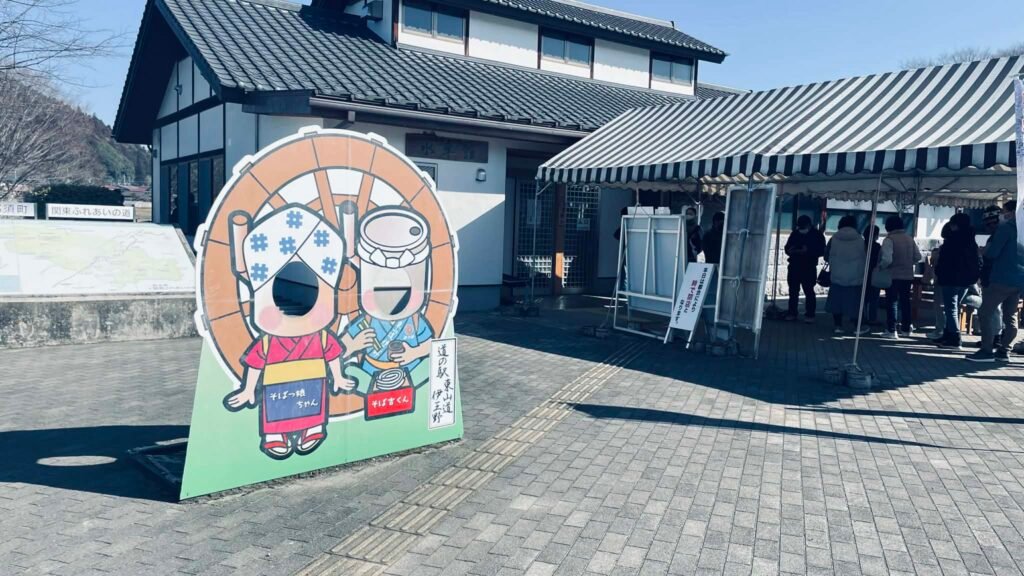
When I arrived, there was already a long queue of people patiently standing outside the restaurant. Locals, travelers, families, and couples—all waiting for the same thing: freshly made soba.
It’s not unusual for the wait time to exceed 20 minutes.
At first, that might sound discouraging. But in Japan, long queues often mean one thing—the food is truly worth it.
Instead of feeling frustrated, people simply wait calmly. Some chat quietly with friends, others admire the peaceful surroundings, and many watch the small demonstrations happening near the entrance.
Because Suishakan does something special.
They make soba noodles right in front of the customers.
Watching Soba Being Made
Near the entrance, visitors can watch the process of soba noodle making. This simple detail turns the waiting time into part of the experience.
Watching this process feels almost meditative.
There is something fascinating about seeing food being created by hand rather than coming from a hidden kitchen. Every movement feels practiced and intentional, reflecting years of experience.
You begin to realize that the noodles you’re about to eat were likely made just moments ago.
And that makes the anticipation even stronger.
Entering the Traditional Dining Hall
After the wait, stepping inside Suishakan feels rewarding.
The restaurant maintains a very traditional Japanese atmosphere. The interior is simple yet warm, with wooden beams, natural light, and a calm environment that encourages you to slow down and enjoy the moment.
One of the most striking features of the restaurant is the main dining hall, which has large windows overlooking the outside landscape.
Through these windows, you can see something unique: two large water mills.
These water mills are not just decorative. They are actually used by the restaurant in the process of preparing the soba dough. Watching them slowly turn outside the window adds another layer of authenticity to the experience.
The gentle movement of the water wheels and the quiet countryside view create a peaceful setting that perfectly complements a traditional meal.
It feels less like eating in a restaurant and more like participating in a long-standing culinary tradition.
A Comfortable and Welcoming Atmosphere
Despite its popularity and busy queue outside, the atmosphere inside the restaurant remains calm and comfortable.
The seating is arranged thoughtfully so guests can enjoy both their food and the surrounding views. The large windows allow natural light to fill the room, giving the space an open and relaxing feel.
There is no rush, no loud noise—just the quiet sounds of conversation, chopsticks, and the soft movement of the water mills outside.
It’s the kind of place where you naturally slow down.
And that’s exactly how a traditional soba meal should be enjoyed.
First Impressions of Fresh Soba
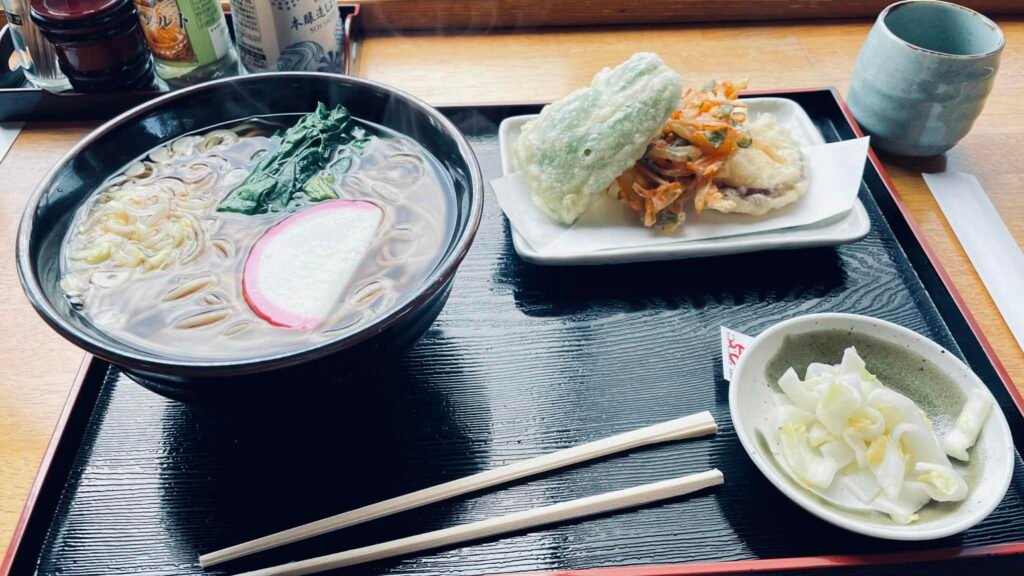
At first glance, the soba looked beautifully simple.
Thin, delicate noodles arranged neatly, accompanied by dipping sauce and traditional sides. The presentation was clean and elegant—nothing excessive, just pure focus on the noodles.
The first bite confirmed what the long queue had promised.
The noodles were incredibly fresh.
You can immediately tell when soba has been made recently. The texture is firm yet smooth, with a slight chewiness that makes each bite satisfying. The flavor is subtle but rich, allowing the natural taste of buckwheat to shine through.
Dipping the noodles into the sauce enhances the flavor without overpowering it.
It’s a perfect balance.
The Taste of Tradition
Eating soba at Suishakan feels very different from eating noodles in a typical restaurant.
Here, every step of the process is visible—from the dough preparation to the cutting of the noodles. By the time the dish reaches your table, you’ve already witnessed the craftsmanship behind it.
That connection changes the way you experience the food.
You’re not just eating noodles.
You’re tasting the result of tradition, patience, and skill.
Each bite carries a sense of authenticity that’s difficult to find in modern fast-paced dining.
Why Fresh Soba Matters
Soba noodles are best when eaten shortly after they are made.
Over time, the texture can change and the flavor may lose some of its natural depth. That’s why restaurants like Suishakan prioritize making soba in small batches throughout the day.
By preparing noodles continuously in front of customers, they ensure that every serving is as fresh as possible.
This commitment to freshness is likely one of the main reasons why the restaurant has become so popular.
People are willing to wait because they know they will be rewarded with something special.
Final Thoughts
My visit to Suishakan started with a simple goal: tasting soba.
But it turned into a deeper appreciation of the tradition behind one of Japan’s most beloved dishes.
Watching the noodles being made, enjoying the calm dining hall with its beautiful countryside view, and tasting freshly prepared soba created a memorable travel moment.
Sometimes the best travel experiences come from the simplest things—a bowl of noodles, a quiet restaurant, and a bit of patience.
If you ever find yourself exploring the peaceful region of Nasu, consider stopping by Suishakan.
Be prepared to wait.
But also be prepared to enjoy one of the most authentic soba experiences you might ever have.