Saroj Surkheti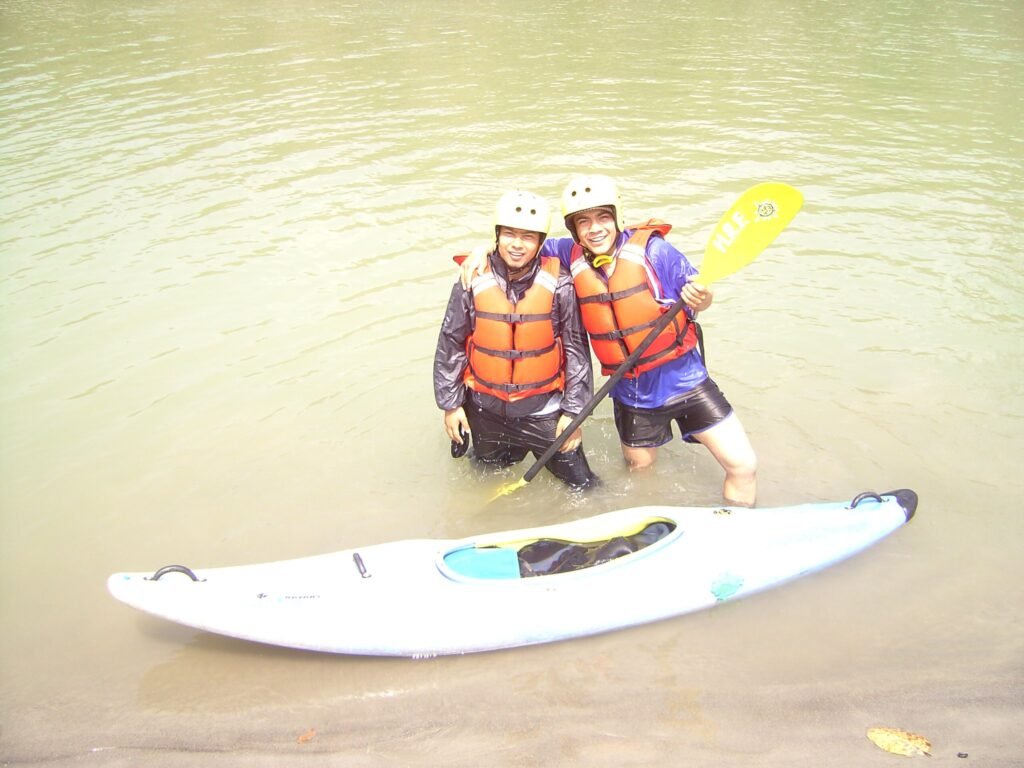
There are many ways to travel. Some people chase cities, some chase mountains, and others chase moments that make them feel alive again. But among all the ways to explore the world, kayaking holds a quiet kind of magic — one that doesn’t shout, doesn’t rush, and doesn’t demand anything from you except presence.
Kayaking isn’t about speed or thrill alone. It’s about connection. With nature. With yourself. With the water beneath you.
If you’ve never tried kayaking, this is your sign. Because once you do, something changes — not loudly, not dramatically — but deeply.
A Different Kind of Journey
Unlike road trips or crowded tourist trails, kayaking moves at nature’s pace. There’s no engine noise, no traffic, no rush to reach the next checkpoint. It’s just you, the paddle in your hands, and the gentle pull of water guiding your way forward.
Whether you’re floating on a quiet lake, drifting down a slow river, or gliding across a calm sea, kayaking forces you to slow down. And in a world that constantly pushes us to move faster, slowing down becomes a powerful experience.
You begin to notice things you’d normally overlook — the way sunlight dances on the water, the sound of birds echoing from the trees, the rhythm of your own breathing. For a while, the outside world fades, and all that exists is the moment you’re in.
The Simple Joy of Being Present
Most of our lives are spent multitasking. We scroll while eating, think while walking, plan tomorrow while still in today. Kayaking interrupts that pattern.
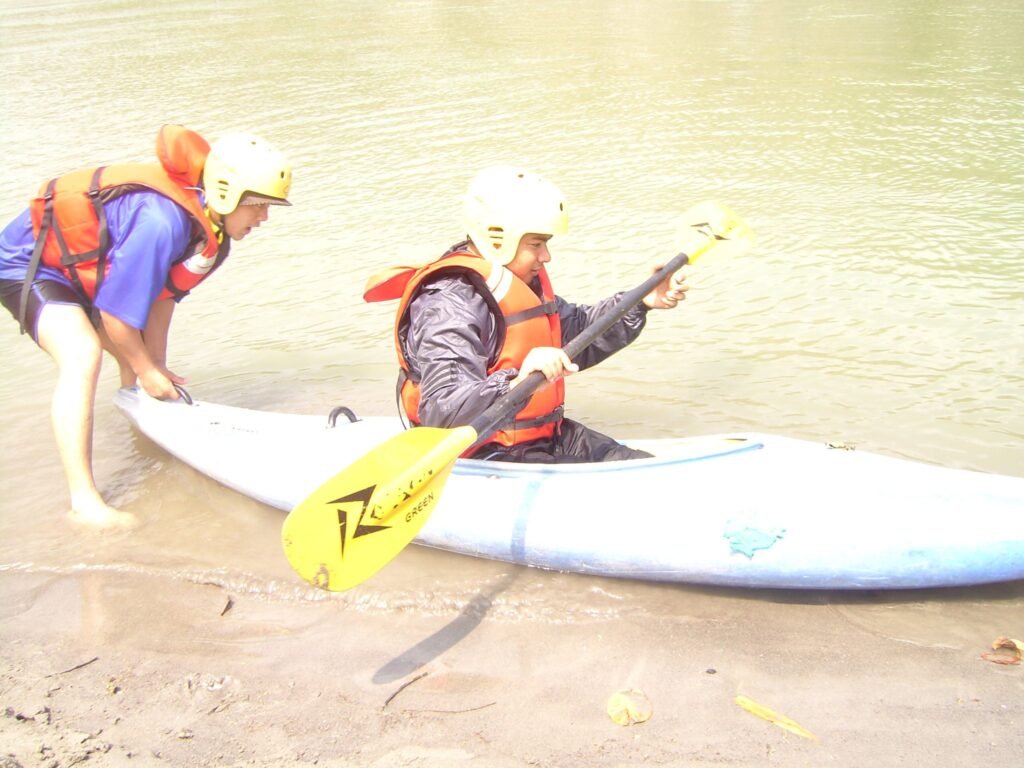
When you’re on the water, your attention naturally sharpens. You feel every movement of the paddle, every shift in balance, every change in the current. You can’t rush. You can’t multitask. You’re simply there.
That presence is what makes kayaking so powerful. It becomes a form of moving meditation — one where your mind quiets down and your body takes the lead.
Many people describe their first kayaking experience as peaceful, grounding, and unexpectedly emotional. It’s often the first time in a long while that they feel fully connected to themselves.
A Personal Connection With Nature
Unlike hiking or driving, kayaking places you directly on the water. You’re not observing nature from a distance — you’re part of it.
You might glide past birds resting near the shore, watch fish ripple beneath the surface, or float silently while the world continues around you. In those moments, nature doesn’t feel like something you’re visiting. It feels like something you belong to.
There’s also something humbling about realizing how small you are on open water. Not in a frightening way, but in a grounding one. It reminds you that you’re part of something much larger — a living, breathing ecosystem.
No Experience Needed, Just Curiosity
One of the most beautiful things about kayaking is how accessible it is. You don’t need years of training or expensive equipment. You don’t need to be an athlete or an expert traveler.
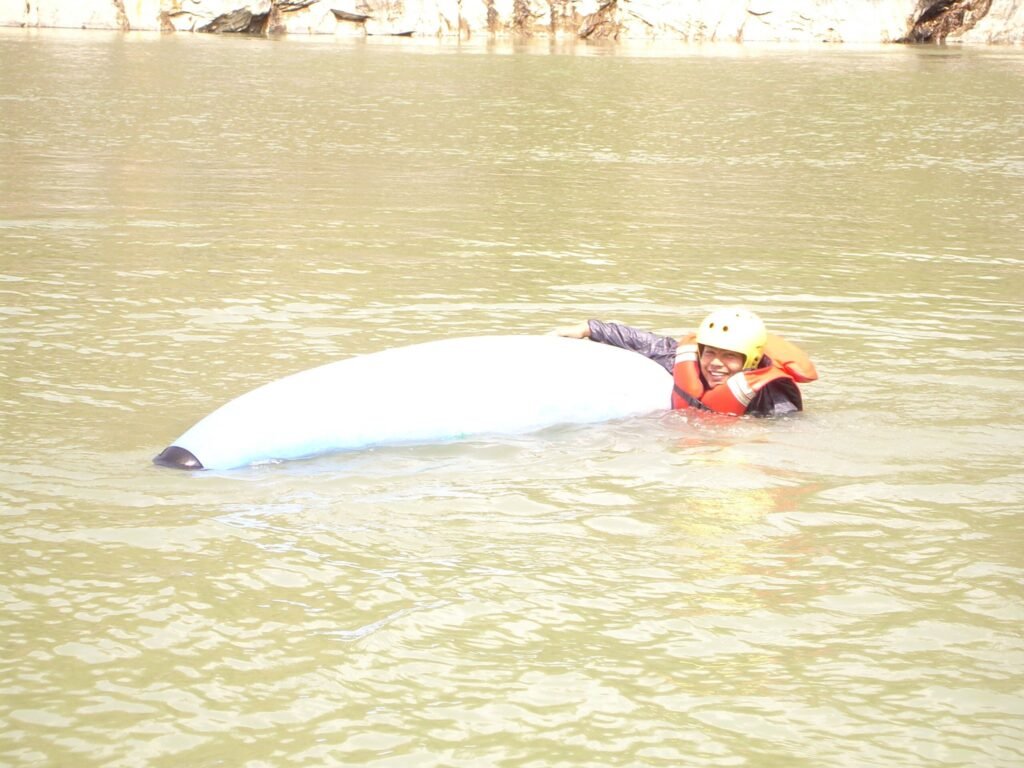
Many people try kayaking for the first time while on vacation — on a lake, a river, or near the coast — and instantly fall in love with it. Most places offer beginner-friendly routes, guided tours, and calm waters designed for first-timers.
You don’t need to be strong or fearless. You just need to be willing to try.
The Quiet Confidence It Builds
There’s something deeply empowering about navigating water on your own. Each successful turn, each moment of balance, builds quiet confidence.
You start to trust your body.
You start to trust your decisions.
You realize you’re more capable than you thought.
This confidence doesn’t shout. It stays with you quietly, long after the kayak is back on shore. It shows up in small ways — the way you walk, the way you face challenges, the way you handle uncertainty.
A Break From Noise and Expectations
Modern life is loud. Notifications, expectations, schedules, conversations — they never really stop. Kayaking offers rare silence.
Out on the water, there’s no pressure to perform, impress, or explain yourself. You don’t have to be productive. You don’t have to document every moment. You can simply exist.
For many people, this is the most healing part of the experience.
Perfect for Solo Travelers and Groups Alike
Kayaking is beautifully flexible. It can be a solitary experience, deeply personal and reflective. Or it can be shared — a slow journey alongside friends, partners, or family, where conversation flows as gently as the water.
Both experiences are equally meaningful, just in different ways.
Some of the best conversations happen side by side on the water, without the pressure of eye contact or distraction. Other times, silence becomes the shared language.
A Different Way to Travel
If you love travel, kayaking offers a new perspective. You see destinations from angles most tourists never do — quiet shorelines, hidden coves, and untouched stretches of nature.
It slows travel down and makes it intentional. Instead of rushing from one attraction to the next, you learn to appreciate the journey itself.
In many ways, kayaking turns travel into a form of mindfulness.
A Memory That Stays With You
Long after the trip ends, kayaking stays with you. You remember the way the water felt beneath you, the calm that settled in your chest, the quiet moments that didn’t need words.
It becomes one of those experiences you carry — not as a story to impress others, but as a feeling you return to when life gets loud.
My Personal Story
The first time I kayaked on the Trishuli River, of Nepal I didn’t know what to expect. The water moved fast, carrying a quiet power that made me both nervous and excited. Surrounded by green hills and distant villages, the river felt alive — not wild, but awake.
As I pushed the kayak forward, the noise of the world slowly faded. There was only the sound of the paddle cutting through water and the steady rhythm of the current guiding me downstream. Every turn brought something new — calm stretches where the river felt gentle, and sudden ripples that reminded me to stay alert.