Saroj Surkheti
Intro
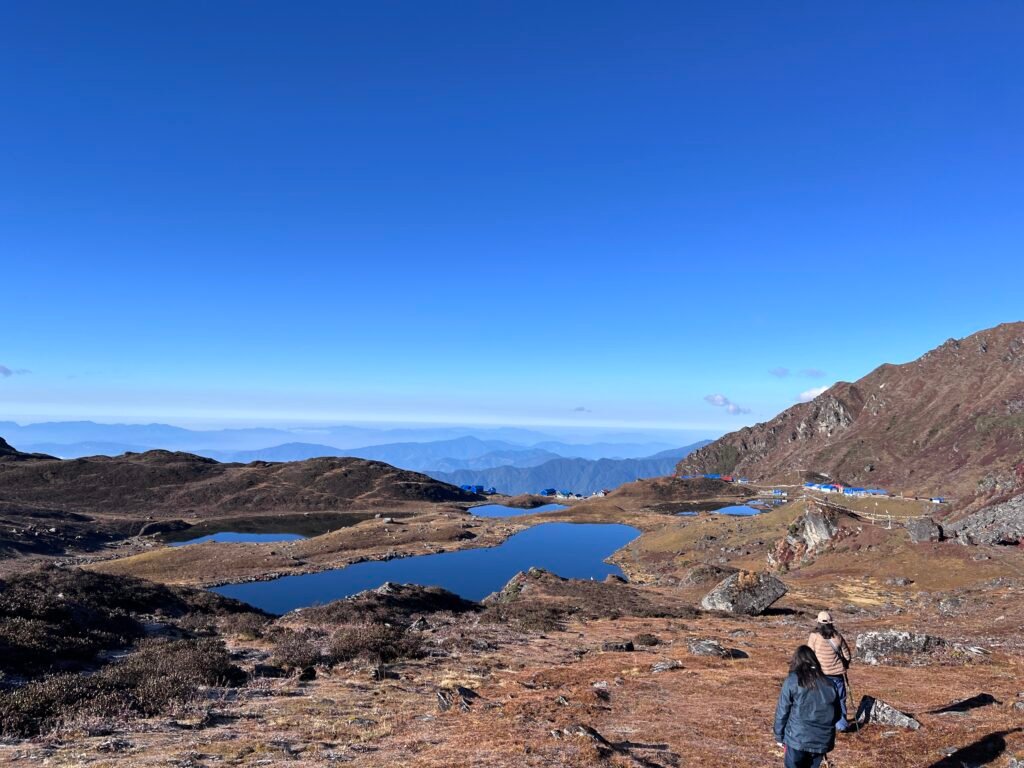
Nepal is a country defined by its mountains—but beyond the famous Everest and Annapurna regions lies a quieter, more spiritual corner of the Himalayas that only a small number of travelers experience. That place is Panch Pokhari, a cluster of five sacred lakes located in the Sindhupalchok district, northeast of Kathmandu.
Although it’s one of Nepal’s most significant pilgrimage sites, it remains surprisingly untouched, peaceful, and underrated among trekkers. For travelers seeking raw beauty, cultural authenticity, and Himalayan adventure without crowds, the Panch Pokhari Trek stands out as one of Nepal’s most rewarding short treks.
In this comprehensive guide, you’ll find everything you need to plan your trip: reasons to visit, the best seasons, transportation details, accommodation options, trip cost, packing checklist, travel tips, and a practical 5–7 day itinerary. Whether you are a beginner trekker or a seasoned hiker, this guide will prepare you for an unforgettable journey.
Why You Should Visit Panch Pokhari
1. A Sacred Pilgrimage Site Filled With Spiritual Energy
Panch Pokhari, meaning “Five Lakes”, holds deep spiritual significance for both Hindus and Buddhists. During Janai Purnima in August, thousands of devotees make the pilgrimage to bathe in the lakes, believing the waters cleanse the soul and bring blessings.
Outside of festival time, the area becomes incredibly serene, offering trekkers a calm, meditative environment rarely found on popular trekking routes.
2. Breathtaking Himalayan Views Without the Crowds
The trail may not be as commercial as Everest or Langtang, but its viewpoints are just as stunning. From the high ridges near the lakes, you can witness sweeping views of:
- Jugal Himal
- Dorje Lakpa
- Gaurishankar
- Rolwaling Range
- Langtang Himal
Sunrise from the viewpoint is particularly unforgettable.
3. Short but Rewarding Trek
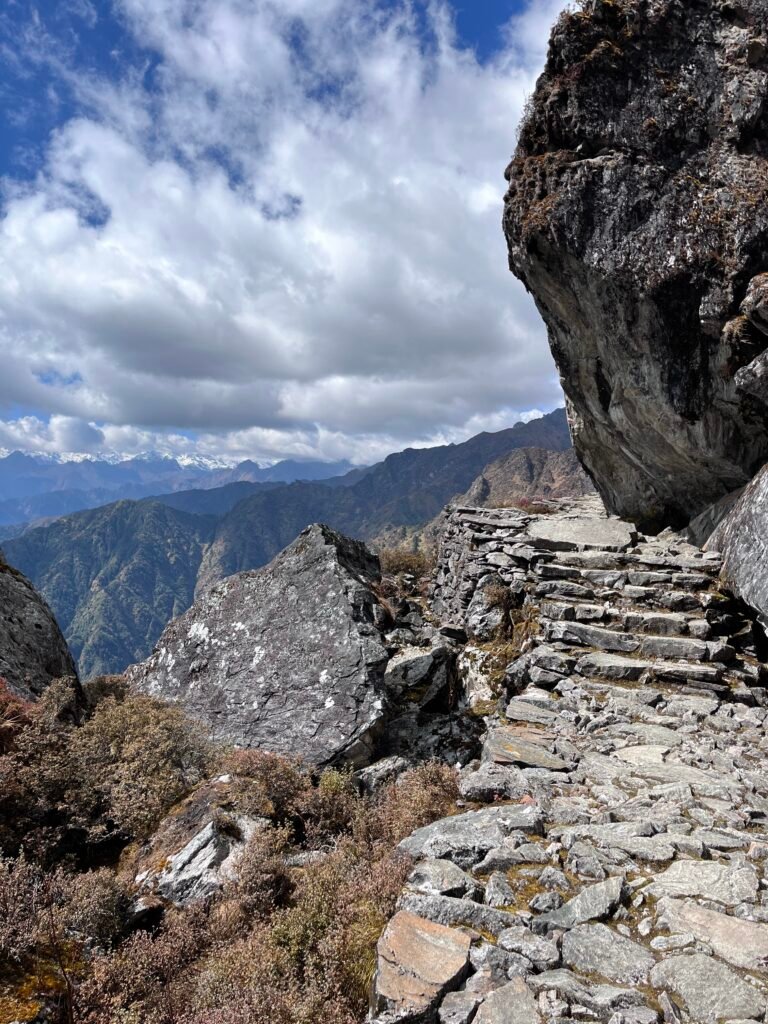
One of the best things about the Panch Pokhari Trek is its accessibility. You don’t need weeks off or months of training. Most trekkers complete it within 5–7 days, making it ideal for:
- Domestic travelers
- Travelers with limited time
- Beginners
- Budget-conscious hikers
Despite being short, the trek still offers high-altitude experiences, cultural encounters, and diverse landscapes.
4. Authentic Local Culture
This region is home to ethnic communities such as the Tamang, Sherpa, Gurung, and Hyolmo. Homestay accommodations allow trekkers to interact closely with locals, enjoy homemade Nepali meals, and understand rural Himalayan life.
5. A Peaceful, Untouched Trail
If you’re tired of crowded trails, Panch Pokhari offers unmatched tranquility. You’ll walk through forests, ridgelines, and alpine meadows with only the sounds of wind, water, and prayer flags fluttering in the breeze.
Best Time to Visit Panch Pokhari
Choosing the right season is crucial for enjoying the trek safely and comfortably.
Spring (March to May) – Best Season
Spring brings clear skies, warm temperatures, and blooming rhododendrons. Weather is stable, making it one of the most popular times to trek.
Autumn (September to November) – Best Season
After monsoon, the mountains appear sharper and brighter. Autumn offers fresh air, minimal rain, and ideal trekking conditions.
Monsoon (July to August) – Festival Season
This is when Janai Purnima takes place, drawing thousands of pilgrims. It’s a culturally rich time to visit but expect slippery trails, leeches, and unpredictable weather.
Winter (December to February) – Not Recommended
The lakes and trails can be buried under deep snow. Temperatures drop significantly, and lodges may remain closed. Only experienced winter trekkers should attempt this season.
How to Get to Panch Pokhari
Panch Pokhari is reachable via two main routes, both starting from Kathmandu.
1. Kathmandu → Melamchi → Bhotang (Most Popular Route)
- Drive time: 6–7 hours
- Road condition: Mixed (partially paved, partially off-road)
- Best for: Shorter treks, easier logistics
This is the most common and convenient route. From Kathmandu, you travel to Melamchi Bazaar and continue to Bhotang, the trailhead.
2. Kathmandu → Chautara Route (Longer Classic Route)
- Trek duration: 3 to 5 days
- Best for: Experienced trekkers seeking a longer, quieter trail
This route passes through remote villages and offers deeper cultural immersion.
Where to Stay on the Panch Pokhari Trek
The Panch Pokhari region is still developing for tourism, so do not expect luxury. Accommodations include:
Homestays
Found in Bhotang, Tuppi Danda, and surrounding villages. You get:
- Comfortable bed
- Home-cooked meals
- Friendly hosts
- Clean but basic rooms
Community Lodges
Built to support local communities. Amenities are simple and functional.
Basic Tea Houses
Available at key stops. Perfect for budget travelers but prepare for shared toilets and limited hot showers.
Shelters Near the Lakes
These are very basic—some trekkers bring sleeping bags and extra layers to stay warm.
Hotels in Melamchi
If you want comfort before or after the trek, Melamchi has decent hotels and lodges with better amenities.
Travel Tips for Panch Pokhari
1. Prepare for Cold Weather
Even during warmer seasons, temperatures near the lakes can drop drastically at night.
2. Bring Enough Cash
No ATMs are available beyond Melamchi. All homestays and lodges accept cash only.
3. Pack Waterproof Gear
Weather in the Himalayas changes suddenly. A waterproof jacket and backpack cover are essential.
4. Understand Altitude Risks
The lakes sit at around 4,100 meters. AMS (Acute Mountain Sickness) can affect anyone. Ascend slowly and hydrate frequently.
5. Hire a Local Guide (Optional but Helpful)
Guides can help with navigation, culture, and safety—especially in foggy or snowy conditions. Only if you are International Tourist.
6. Power Bank Is a Must
Charging facilities are limited. Bring a reliable power bank and headlamp.
7. Avoid Winter Treks Unless Experienced
Deep snow can block the trail and turn the trek dangerous.
Sample 5-Day Itinerary for Panch Pokhari Trek
Day 1: Kathmandu → Bhotang (Drive)
- Drive through Melamchi
- Explore the village
- Overnight in a local homestay
Day 2: Bhotang → Tuppi Danda
- Trek through terraced fields and forests
- Gradual ascent
- Overnight in Tuppi Danda
Day 3: Tuppi Danda → Noshyampati
- Climb through dense forest
- Reach a scenic ridge with stunning views
- Overnight in Noshyampati
Day 4: Noshyampati → Panch Pokhari
- Trek 4–5 hours to the five lakes
- Explore temples and viewpoints
- Overnight near the lakes
Day 5: Panch Pokhari → Bhotang → Kathmandu
- Descend early morning
- Drive back to Kathmandu
If you prefer a slow pace, extend this to 6–7 days.
Cost Breakdown for Panch Pokhari Trek
Here is an approximate cost estimation (per person):
Transportation
- Kathmandu → Bhotang Jeep: $15–$25
- Return: $15–$25
Accommodation
- Homestay: $10–$15 per night
- Lodge near lakes: $8–$12
Meals
- Dal Bhat: $3–$5
- Breakfast: $2–$4
- Tea/Coffee: $1–$2
Daily food cost: $10–$15
Guide (Optional)
- $20–$30 per day
Miscellaneous
- Snacks, water, donations, permits (if any): $10–$20
Total Estimated Cost for 5–7 Days
$150–$300 depending on comfort, guide use, and transport mode.
Gear Checklist for Panch Pokhari Trek
Clothing
- Thermal base layers
- Fleece jacket
- Waterproof jacket and pants
- Warm hat and gloves
- Trekking pants
- Comfortable hiking shoes
- Extra socks
Equipment
- Backpack (40–50L)
- Sleeping bag (especially for colder seasons)
- Trekking poles
- Power bank
- Headlamp
- Water bottle
Toiletries
- Sunscreen
- Lip balm
- Personal medication
- Wet wipes
- Hand sanitizer
Optional
- Camera
- Energy bars
- Rain cover
- Altitude sickness medication (consult doctor before use)
Conclusion: Why Panch Pokhari Should Be Your Next Trek
The Panch Pokhari Trek is a perfect blend of spirituality, nature, culture, and adventure. It’s less commercial than other trekking areas yet offers everything you dream of in a Himalayan journey—towering peaks, sacred lakes, friendly locals, and peaceful trails.
Whether you’re seeking a spiritual escape, a short trekking adventure, or a culturally rich Himalayan experience, Panch Pokhari delivers an unforgettable journey without the crowds or high expenses.
If you’re looking for a trek that is authentic, accessible, scenic, and deeply meaningful, Panch Pokhari deserves a spot on your travel bucket list.