 Saroj Surkheti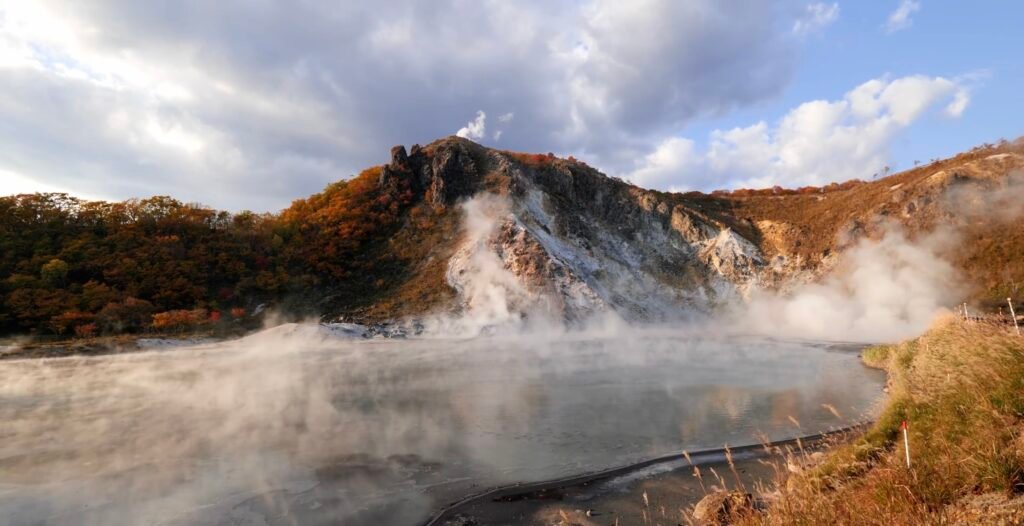
It was snowing the night I took my first dip in a Japanese onsen. The air was cold enough to sting my face, but the water was so warm I could feel every muscle in my body surrender. The only sounds were the gentle splash of water and the wind brushing against the trees. It wasn’t just relaxing — it was like the world had hit pause.
That’s the magic of Japan’s onsen — and if you’re planning to visit Japan this winter, trust me, it’s something you have to experience.
What’s The Big Deal About Onsen Anyway?
“Onsen” (温泉) literally means hot spring, but that definition barely scratches the surface. Japan sits on the Pacific Ring of Fire, which means there are thousands of natural hot springs bubbling up all over the country — from mountain valleys in Hokkaido to tiny coastal towns in Kyushu.
Locals don’t just go to onsen for fun. It’s part of life here — a ritual that blends healing, nature, and quiet reflection.
Some onsen waters are milky white from sulfur, others clear as glass. Some are hot enough to make you gasp; others are just the right kind of warm that makes you never want to leave. The minerals are said to relieve muscle pain, fatigue, and even stress — though honestly, after ten minutes of soaking, you’ll feel like you’ve shed three days of jet lag and half your worries.
Why Onsen Is Deeply Rooted In Japanese Culture
In Japan, bathing isn’t just about getting clean — it’s about purification. In Shinto belief, washing the body is a way of cleansing the spirit too. Over centuries, public baths (sento) and hot springs (onsen) became central to Japanese daily life.
It’s also a place where everyone’s equal. You leave your clothes, your phone, your job title — even your worries — outside. You step into the water as you are.
For locals, onsen is a social and spiritual reset. For travelers, it’s a rare window into Japan’s way of living: slow, intentional, and deeply respectful of nature.
Why Winter Is The Best Time To Try An Onsen
If there’s ever a “perfect moment” to experience an onsen, it’s winter.
The contrast between freezing air and steaming mineral water is almost addictive. You sit there, half-submerged, watching snow fall on the edge of a bamboo fence, feeling the warmth climb into your bones. Every exhale turns into mist. It’s pure zen.
Here’s why winter onsens hit differently:
- It’s the ultimate escape from the cold. After a day exploring temples or skiing, nothing beats sinking into hot water that feels like a warm hug.
- It’s breathtakingly scenic. Outdoor baths (rotenburo) surrounded by snow are unreal — like soaking inside a live postcard.
- It’s great for your health. The minerals help circulation, calm the nerves, and give you the kind of deep sleep that no hotel bed can.
- It’s Japan’s slow life at its best. No rush. No noise. Just steam, snow, and serenity.
The Best Onsen Towns to Visit This Winter
There are hundreds of onsen towns across Japan — each with its own story. Here are my personal favorites, tested and loved during my winter travels.
1. Hakone (Kanagawa) — The Classic Getaway
If Tokyo is your base, Hakone is your easiest escape. Just an hour or two by train, it’s a perfect mix of relaxation and scenery.
I stayed at a small ryokan (traditional inn) with a private open-air bath overlooking the mountains. I’ll never forget that moment: sitting in steaming water as the clouds drifted away to reveal Mount Fuji glowing pink in the sunset.
Why go: Easy access from Tokyo, stunning views, and plenty of art museums and cable car rides to fill your day.
Budget Tip: Check out Tenzan Onsen or Hakone Yuryo — affordable day-use baths with beautiful outdoor settings.
2. Kusatsu Onsen (Gunma) — The Healing Town
Locals say Kusatsu’s water can “cure anything but lovesickness.” Its super-acidic spring water gushes straight from the volcanic heart of Mount Shirane, giving the whole town a faint sulfur scent.
At the center of it all is the Yubatake, a steaming hot-water field surrounded by old wooden inns. At night, the steam glows under lantern light — it’s otherworldly.
Why go: It’s one of Japan’s oldest and most famous hot springs, perfect for traditional vibes and free public baths.
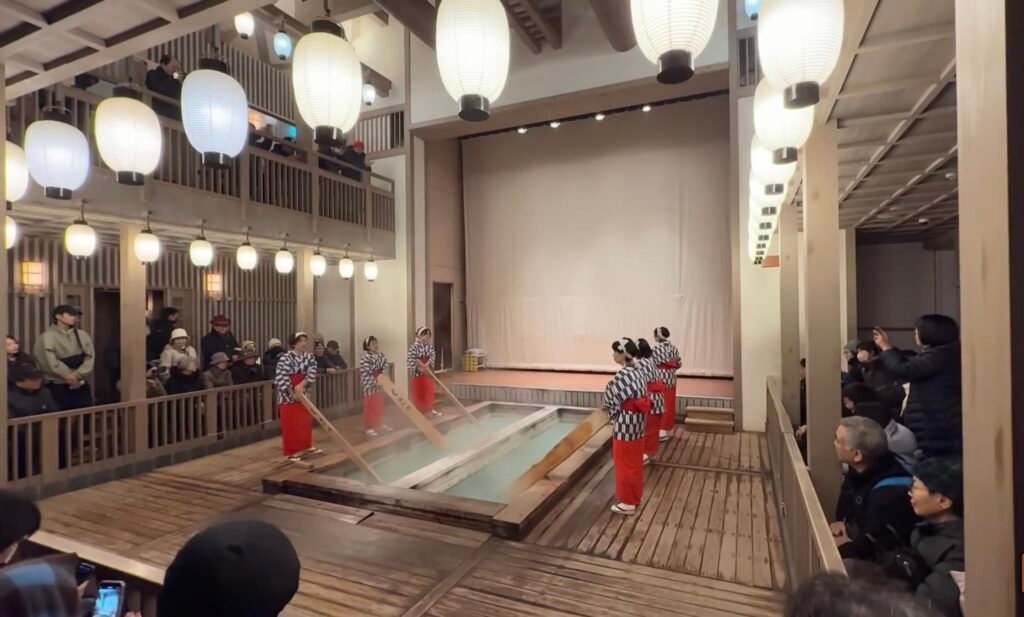
Don’t miss: The Yumomi show — women stir boiling water with giant wooden paddles while singing folk songs. It’s weirdly charming.
3. Noboribetsu (Hokkaido) — Japan’s “Hell Valley”
Hokkaido winters are no joke, but that’s exactly what makes Noboribetsu so amazing. The town sits beside Jigokudani, or “Hell Valley” — a dramatic volcanic landscape with boiling mud pools and steaming vents.
It’s one of those places where nature reminds you how alive the Earth is.
After hiking around Hell Valley, I soaked in a milky-blue bath with snow falling around me. Later, I walked back to my ryokan in a yukata robe and wooden sandals, my face still flushed from the heat. The snow crunched under my feet. It felt like living inside a Japanese winter movie.
Why go: Nine different kinds of mineral water in one town, and unreal winter scenery.
Free spot: Oyunuma River Natural Foot Bath — a hot stream running through the forest where you can dip your feet even if you’re just passing through.
4. Yufuin & Beppu (Oita, Kyushu) — Southern Serenity
Down south in Kyushu, winters are milder, but the onsen culture is strong. Beppu is the most famous — known for its steam-filled streets and “Hells of Beppu” (colorful geothermal pools too hot for bathing).
Nearby Yufuin, though, is my favorite. It’s quieter, nestled between rolling hills with Mount Yufu in the background. The vibe here is artsy and calm — boutique cafés, galleries, and family-run ryokan line the streets.
Why go: Perfect mix of comfort, countryside, and culture. Great for solo travelers or couples looking to slow down.
Budget Tip: Day passes at local ryokan start around ¥800 – ¥2,200, according to season it may vary and many include a small garden view.
5. Nyuto Onsen (Akita) — Hidden Gem of the North
If you want to disappear into Japan’s snow country, Nyuto Onsen is your spot. It’s a cluster of old wooden inns tucked deep in the mountains of Akita Prefecture.
Each inn has its own private spring source, and most of them have outdoor baths surrounded by forest. When snow piles up, it’s like bathing inside a snow globe.
I stayed at Tsurunoyu Onsen, the oldest and most famous of the group. The water was cloudy white, the buildings lit by lanterns, and the only sound was snow falling on the roof. I remember thinking, “This is it — this is the Japan I came to find.”
Why go: Remote, peaceful, and utterly authentic.
Tip: Reservations fill up fast in winter, so book early or visit for a day soak if rooms are full.
How to Do Onsen Right (Without Looking Like a Total Rookie)
Onsens have rules, but don’t stress — once you know the basics, it’s easy. Here’s a quick rundown:
- Wash first. Before getting in, you must rinse and wash thoroughly at the showers provided. Cleanliness is non-negotiable.
- Go naked. Yep, no swimsuits. Everyone’s in the same boat, and honestly, after five minutes, you stop caring.
- Keep it quiet. Onsens are for relaxation — no splashing, no loud talking, and definitely no selfies.
- Use your small towel properly. That little towel stays out of the water. Fold it, place it on your head, or set it on the side.
- Mind tattoos. Some onsens still ban tattoos (yakuza association), but more tourist-friendly spots or private baths (kashikiri onsen) are totally fine.
What Makes Onsen So Addictive
After a few days on the road — crowded trains, endless walking, ramen binges — an onsen feels like a reset button. You emerge lighter, calmer, and weirdly happy.
But the magic isn’t just physical. Sitting still in hot water surrounded by nature forces you to slow down. You start noticing the little things — the sound of dripping water, the shape of a mountain reflected on the surface, the smell of cedar in the air.
It’s the Japanese idea of wabi-sabi — finding beauty in simplicity, imperfection, and quiet moments.
Staying at a Ryokan: The Full Onsen Experience
You can visit an onsen for the day, but to really understand it, stay overnight at a ryokan — a traditional Japanese inn.
You’ll be given a yukata (cotton robe) to wear around the property, even to dinner. Meals are elaborate kaiseki (multi-course feasts) featuring seasonal ingredients — grilled fish, tofu, tempura, and miso soup that somehow tastes better after a soak.
Then you slip back into the bath before bed, and again in the morning before breakfast. It’s a rhythm that feels ancient and unhurried.
Budget Tip: Some ryokan offer single-night plans with meals starting around ¥12,000 – ¥15,000 ($80 – $100). For backpackers, public onsen with day passes (¥500 – ¥1,000) are great alternatives.
Practical Tips for Winter Onsen Travel
- Bring cash. Many small towns and public baths don’t take cards.
- Pack light. Most places provide towels, shampoo, and soap.
- Check train routes in advance. Snow can affect schedules, especially in rural areas.
- Visit in the evening. Night baths under falling snow are pure magic.
- Try outdoor baths. The contrast between hot water and cold air makes all the difference.
What I Learned from Japan’s Onsen Culture
Before coming to Japan, I thought of hot springs as a luxury — something you did on vacation. But here, it’s a lifestyle. It’s the country’s collective exhale after long workdays, a reminder that slowing down isn’t laziness — it’s necessary.
Every time I soak in an onsen, I realize something: travel doesn’t always have to be fast or full of plans. Sometimes, the best moments are the ones where you do absolutely nothing — just sit, breathe, and watch snow melt on your shoulder.
Final Thoughts: Make This Winter About Stillness
If you’re coming to Japan this winter, don’t just check off the big cities and landmarks. Find a little onsen town, book a ryokan, and give yourself a day to do nothing but soak and breathe.
Because when you’re sitting there — steam rising, snow falling, silence all around — you’ll understand why onsen isn’t just part of Japanese culture. It is Japanese culture.
And maybe, like me, you’ll leave Japan a little softer, a little slower, and a lot more in love with the art of doing nothing.

[…] are onsen facilities within the resort and many more in Yuzawa town. It’s the perfect way to end your […]
[…] evening, I started heading back toward Hakone-Yumoto for a well-deserved soak. There are plenty of onsens, but since I was on a budget, I chose Kappa Tengoku, located just a few minutes uphill from the […]
[…] me, it was not just a hot spring visit. If you want to know more about onsen culture, then here it is.It was a reminder that sometimes the most powerful travel experiences are the quietest ones. […]