 Saroj Surkheti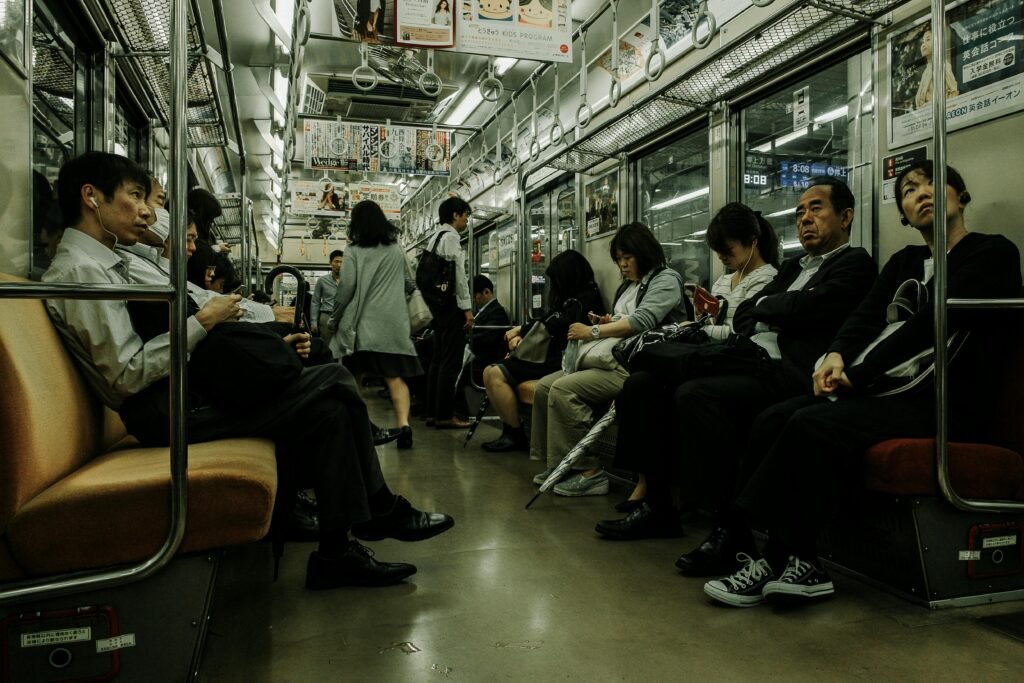
Intro
Traveling to Japan for the very first time is magical. You’ll see vending machines on every corner, hear the polite chorus of “Irasshaimase!” (Welcome!) as you enter shops, and watch in awe as trains arrive exactly when the clock strikes their scheduled time. But Japan isn’t just about neon lights, anime, and sushi—it’s also a society built on respect, consideration, and harmony.
For foreign tourists, this means that locals don’t expect you to be perfect, but they do hope you’ll respect their culture enough to try. And trust me—when you make even a small effort, Japanese people notice and often respond with extra kindness.
After spending more than a decade traveling and working as a freelancer around Japan, I’ve learned what really matters to locals when visitors come for the first time.
Here’s a top 10 guide to help you avoid common mistakes, blend in better, and have a more meaningful trip.
1. Quietness in Public Spaces
In Japan, silence in public spaces is seen as a way of respecting others. Public transportation, restaurants, and even streets are much quieter than in many other countries, so keeping quiet helps everyone feel more comfortable and calm. Many people use this time to rest, read or think, and loud conversations or phone calls can disturb that peace. By being silent, you show consideration for those around you and blend smoothly into Japan’s culture of harmony and mindfulness.
What’s expected:
- No phone calls on trains.
- Keep voices low when chatting with friends.
- Respect the calm atmosphere in shrines, libraries, and even cafes.
Common Mistake:
Tourists sometimes treat trains like social spaces—laughing loudly, making phone calls, or playing music without headphones. Locals usually won’t confront you, but they’ll feel uncomfortable.
Personal Story:
On a train one of the content creator from foreign was live and talking in a loud voice, elderly Japanese was uncomfortable and request not to talk loudly but foreigner misinterpret the situation.
2. Proper Etiquette in Shrines and Temples
When visiting a shrine or temple in Japan, it’s important to follow simple etiquette to show respect. At a shrine, you usually wash your hands and mouth at the purification fountain before approaching the main hall. A small bow, a coin offering, two claps, and another bow are the common way to pray. In temples, it’s more about quiet reflection—remove your hat, walk calmly, and keep your voice low. Always avoid blocking pathways, taking photos where it’s not allowed, and remember that these are sacred places, not just tourist spots.
How to behave at shrines:
- Cleanse your hands at the water basin (temizuya) before entering.
- Bow once before going under the torii gate.
- At the offering hall: toss a coin, bow twice, clap twice, pray, then bow once more.
How to behave at temples:
- Walk quietly.
- Don’t enter prayer halls unless invited.
- Don’t point your feet toward altars when sitting.
Common Mistake:
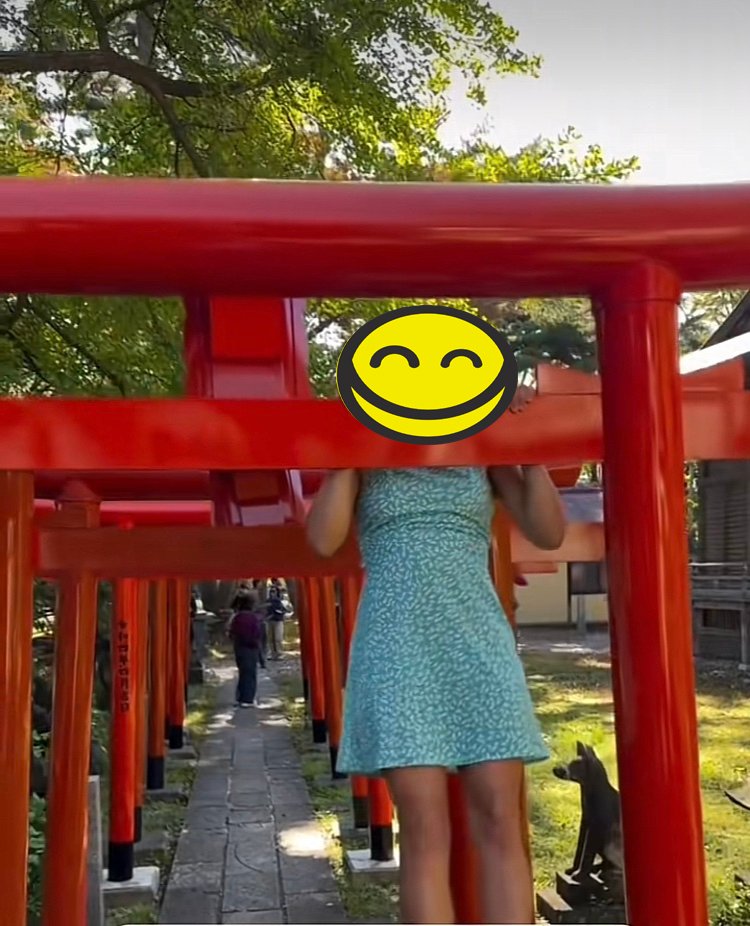
Tourists often block entrances to take selfies or climb onto sacred areas for photos. This feels disrespectful to locals.
Personal Story:
One of the foreign influencer is climbing the Tori gate. Seeing this many Japanese were upset because Japanese believe the tori is are holy symbol for Japanese people.
3. Respect for Manners and Politeness ( Animals as Well )
If there’s one word that defines Japanese society, it’s respect. Politeness is woven into everyday life. People bow when greeting, they say sumimasen (excuse me) even if you lightly brush past them, and service staff treat every customer like an honored guest.
As a foreigner, you don’t need to master all the cultural nuances, but here are a few simple things that Japanese people really appreciate:
- Saying arigatou gozaimasu (thank you) whenever possible.
- Using sumimasen (excuse me) when you need to pass through a crowd or ask for help.
- Not interrupting conversations loudly in public places.
- Show respect and care to animals also.
Personal Story:
When I first visited Tokyo, I went into a small ramen shop in Shinjuku. I ordered by pointing at the picture on the vending machine and said, “Arigatou.” The chef looked up, smiled, and bowed slightly. Later, when I finished my meal, I said “Gochisousama deshita” (a polite phrase after eating). The chef beamed and said, “Your Japanese is good!” My Japanese was far from good, but the effort made him happy—and that’s what counts.
4. Shoes Etiquette
In Japan, removing your shoes is an important sign of respect and cleanliness. You’ll often be asked to take them off before entering homes, traditional inns, temples, or certain restaurants. Indoor slippers are usually provided, and there are separate slippers for the bathroom. The idea is to keep outdoor dirt from coming inside, so always step out of your shoes neatly and face them toward the door for easy use later. Following this custom shows good manners and helps you blend smoothly into Japanese daily life.
Where to remove shoes:
- At people’s homes.
- In ryokan (traditional inns).
- At some restaurants with tatami mat seating.
- Certain temples or cultural buildings.
Always look for shoe racks or slippers. If slippers are provided, wear them—but never step into tatami mats with slippers, as those are for socks or bare feet only.
5. Onsen (Hot Spring) Rules
For many foreigners, visiting an onsen is both exciting and awkward. A Japanese onsen (hot spring) is one of the best ways to relax and experience Japan’s traditional culture. These natural hot baths, often surrounded by scenic mountains or peaceful villages, are believed to have healing minerals that soothe your body and mind. Before entering the onsen, make sure to wash yourself thoroughly — cleanliness is very important. Most onsens are enjoyed naked, which might feel unusual for first-timers, but it’s a normal and respected custom in Japan. Whether you visit in winter with snow around you or after a long day of sightseeing, soaking in an onsen is a truly unforgettable Japanese experience. Bathing naked with strangers? Yes, it’s the Japanese way.
Golden rules:
- Wash thoroughly before entering the bath.
- Don’t splash or swim in the water—it’s for soaking quietly.
- Towels never go into the bath.
- Tattoos may still not be allowed in some places, though more onsens are becoming tattoo-friendly.
- Here also if possible speak in low voice.
Once you get over the initial shyness, onsen culture is one of the most relaxing experiences you’ll ever have in Japan.
6. Cleanliness and Tidiness
Cleanliness and tidiness are a big part of daily life in Japan, and Japanese people take great pride in keeping their surroundings neat and organized. Streets, trains, and public spaces are usually spotless — not because of strict rules, but because everyone does their part. As a foreign tourist, it’s a great way to show respect by following this custom too: throw trash in the right bins, keep your accommodation tidy, and leave places as clean as you found them. Maintaining this habit helps preserve Japan’s beautiful environment and makes everyone’s experience more pleasant.. How? Because everyone takes responsibility.
What’s Expected of Foreigners:
- Carry your trash with you until you find a bin.
- Don’t eat while walking in crowded areas (like train stations).
- Keep your hotel room or Airbnb tidy, even if cleaning staff will come later.
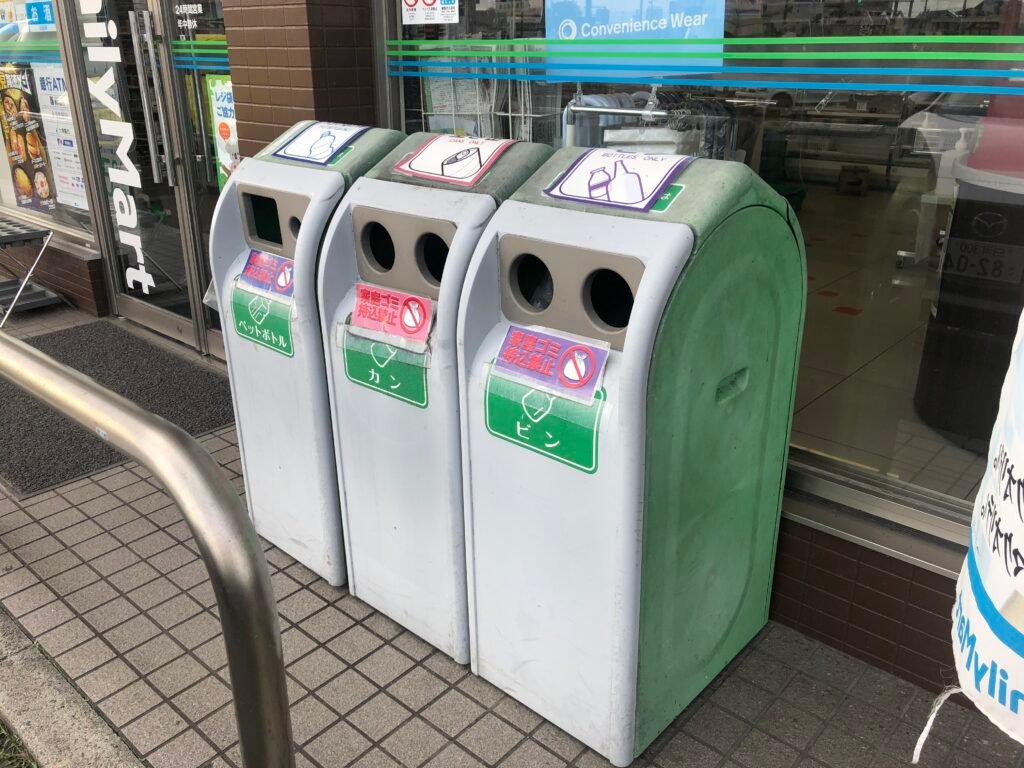
Tip: Convenience stores (7-Eleven, Lawson, FamilyMart) almost always have trash bins. That’s your best bet or carry small plastic bags.
7. Punctuality
If you’ve ever heard about Japan’s trains running on time, it’s not an exaggeration. A delay of even one minute might be announced with an apology.
Foreign visitors are often surprised by this strict punctuality. Whether it’s a guided tour, a bus, or even meeting friends, being on time is seen as a form of respect.
Personal Story:
I once joined a day trip to Mount Fuji with a tour group. The guide said, “Please be back on the bus by 2:00 p.m. sharp.” At exactly 2:00, the bus doors closed. One couple who came two minutes late had to take a taxi to catch up with us at the next stop. That’s how serious punctuality is in Japan!
8. Respecting Personal Space
Japan is crowded, especially in cities like Tokyo and Osaka. But despite the crowds, people avoid bumping into each other, line up neatly, and maintain personal space as much as possible.
Foreigners are often expected to:
- Line up properly at train stations.
- Avoid physical contact (like hugs or pats on the back) with strangers.
- Not cut lines—even accidentally.
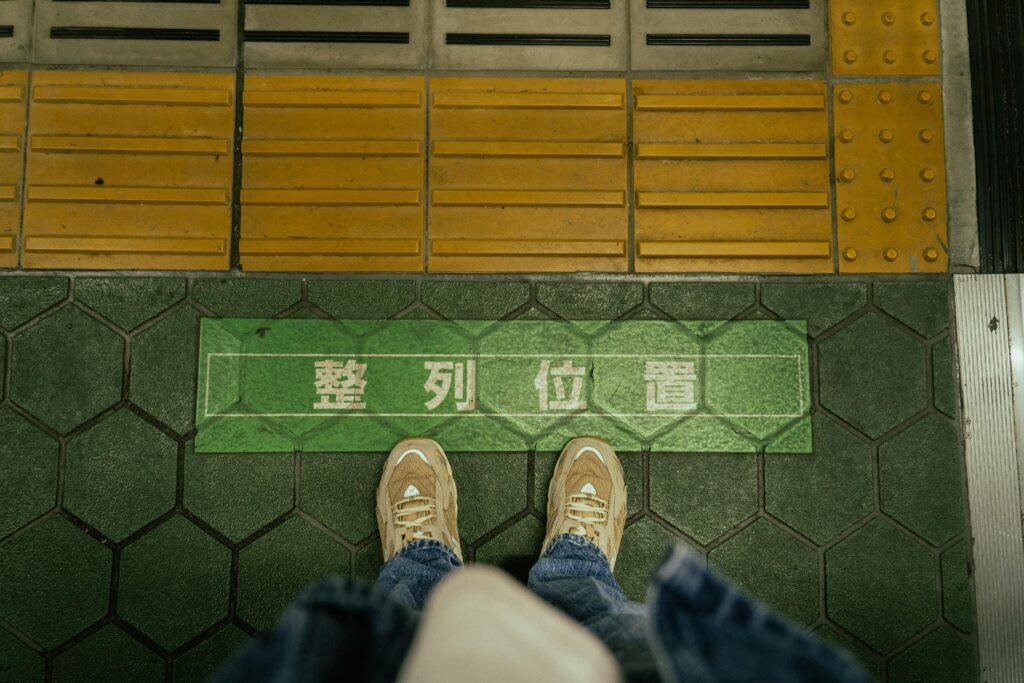
Tip: Look for arrows and signs at train stations—they guide where to stand.
9. Cash and Payment Etiquette
While Japan is becoming more cashless, cash is still king in many places, especially in rural areas and smaller shops.
What’s expected:
- Always carry some yen with you.
- When paying, place the money on the tray provided (not directly into someone’s hand).
- Don’t crumple bills—present them neatly.
10. Open-Mindedness and Appreciation
Finally, what Japanese people want most from foreigners is simple: curiosity and appreciation. They love when visitors show interest in their traditions, food, and daily life.
- Try the local dishes, even if they seem unusual.
- Participate in cultural experiences like tea ceremonies or kimono rentals.
- Ask questions with genuine curiosity.
Personal Story:
In Kyoto, I once joined a tea ceremony hosted by an elderly woman. I struggled to sit properly on tatami mats, and my Japanese was broken, but I showed genuine interest. She later told me, “I’m happy you tried. That is respect.” That phrase stuck with me.
Final Thoughts: What Japanese Really Expect from You
Japan isn’t about strict rules—it’s about consideration for others. The core expectation is that you try. Even small gestures like bowing slightly, keeping your voice down, or learning a few phrases in Japanese can create wonderful connections.
So, if you’re visiting Japan for the first time:
- Respect the culture.
- Stay curious.
- And remember, you don’t need to be perfect—just thoughtful.
Traveling here isn’t just about sightseeing—it’s about connecting with people through small acts of respect. Do that, and Japan will welcome you with warmth you’ll never forget.
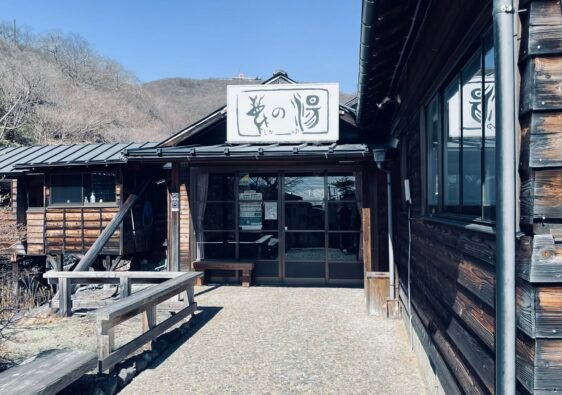
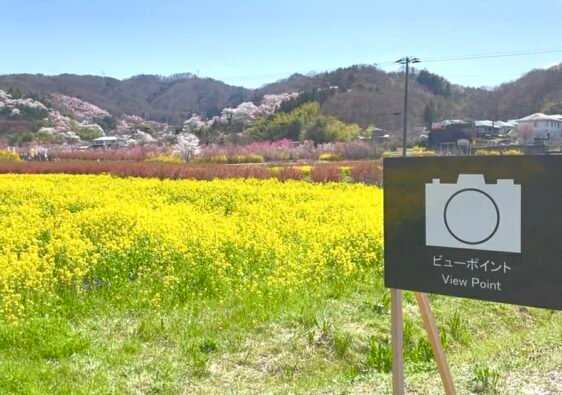

[…] 4. Respect Onsen Etiquette:Rinse thoroughly before entering the bath, don’t splash or swim, and remember that most onsens don’t allow swimsuits. If this is your first visit to Japan, then you also know some basic rules. […]